Currently browsing

Page 25

Digital Differences – Online Inequality

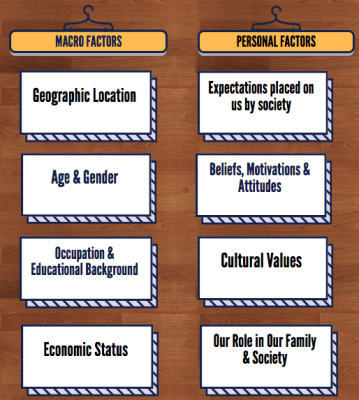
Digital differences refers to the inequality of internet engagement among users from differing backgrounds. Van Dyke outlines 5 factors that lead to web inequality: Technological, Material, Immaterial, Social and Educational. Hargittai also recognises this, and overviews the factors that affect web use. Below I outline the key areas where digital inequality is present and how they effect us. Continue reading →
Digital Differences – Online Inequality

Digital differences refers to the inequality of internet engagement among users from differing backgrounds. Van Dyke outlines 5 factors that lead to web inequality: Technological, Material, Immaterial, Social and Educational. Hargittai also recognises this, and overviews the factors that affect web use. Below I outline the key areas where digital inequality is present and how they effect us. Continue reading →
Topic 1- Digital Differences

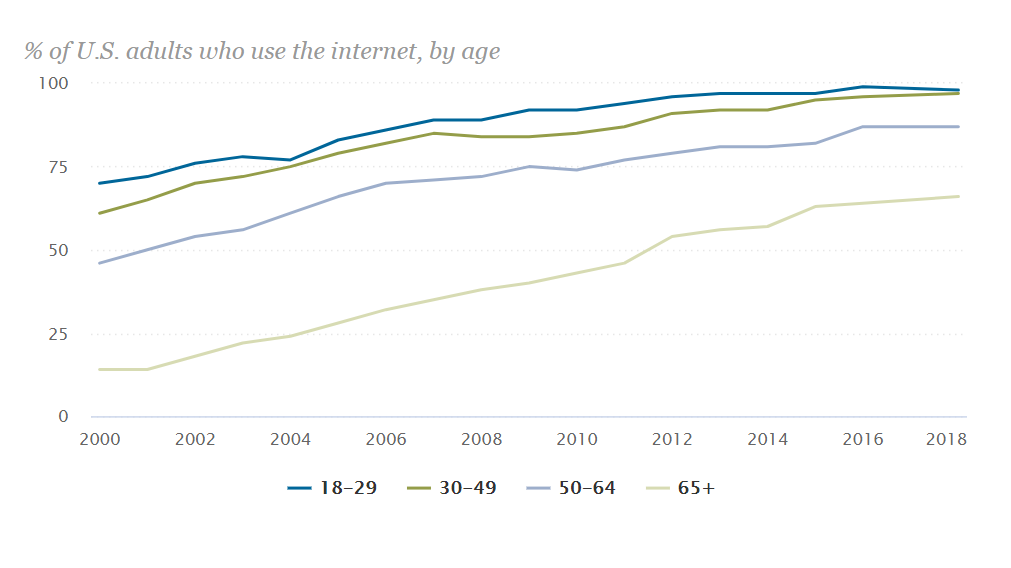
Over the past decade increased Internet adoption and a rise of mobile connectivity has allowed us to bridge the gap in accessing technology and online information for most (Smith and Zickuhr, 2012). However, terms such as ‘digital divide’ and ‘digital differences’ are still frequently used when studying today’s online users. Exploring MOOC and various studies, it is apparent there are common factors that lead to disparities on the Web. Continue reading →

Topic 1- Digital Differences

Over the past decade increased Internet adoption and a rise of mobile connectivity has allowed us to bridge the gap in accessing technology and online information for most (Smith and Zickuhr, 2012). However, terms such as ‘digital divide’ and ‘digital differences’ are still frequently used when studying today’s online users. Exploring MOOC and various studies, it is apparent there are common factors that lead to disparities on the Web. Continue reading →

Topic 1- Digital Differences

Over the past decade increased Internet adoption and a rise of mobile connectivity has allowed us to bridge the gap in accessing technology and online information for most (Smith and Zickuhr, 2012). However, terms such as ‘digital divide’ and ‘digital differences’ are still frequently used when studying today’s online users. Exploring MOOC and various studies, it is apparent there are common factors that lead to disparities on the Web. Continue reading →

Digital Differences

In the UK, with 87.9% of adults using the internet, it’s difficult to comprehend a life without it and truly appreciate the importance of internet (Office for National Statistics, 2016). While we may take it for granted, not everyone has access to it, thus creating a digital divide. The term “digital divide” draws attention to the division within and across societies between those who have access to digital technologies and those who don’t (Bradbrook and Fisher, 2004). Continue reading →

Digital Differences

In the UK, with 87.9% of adults using the internet, it’s difficult to comprehend a life without it and truly appreciate the importance of internet (Office for National Statistics, 2016). While we may take it for granted, not everyone has access to it, thus creating a digital divide. The term “digital divide” draws attention to the division within and across societies between those who have access to digital technologies and those who don’t (Bradbrook and Fisher, 2004). Continue reading →

Digital Differences

In the UK, with 87.9% of adults using the internet, it’s difficult to comprehend a life without it and truly appreciate the importance of internet (Office for National Statistics, 2016). While we may take it for granted, not everyone has access to it, thus creating a digital divide. The term “digital divide” draws attention to the division within and across societies between those who have access to digital technologies and those who don’t (Bradbrook and Fisher, 2004). Continue reading →

UOSM2008: Exploring digital differences

This post is part of a series published as part of the University of Southampton’s Living and Working on the Web module. To find out more, including links to all of this year’s student blogs, check out the UOSM2008 website. Task: Evaluate the impact of your “Digital Differences” on how you interact with the Web. My experiences of digital differences When we got our first computer, my grandma and I learned digital skills together, despite a 50-year age gap. Continue reading →

A modern form of inequality: Digital Differences

Many assume that internet users a single homogeneous group but there are digital differences, which refers to the stratification between different groups in society and how they may be disadvantaged in their use of the Internet based on their social characteristics. It may also be referred to as the ‘Digital Divide’ (Morrisett). Figure 1. A video I created illustrating a few of the digital differences in society. Continue reading →

Digital Differences; How Do I Use The Web?

Prior to undertaking UOSM2008, I was completely unaware of the mass inequality and difference that shrouds the internet. Last week I began by understanding the division through generations: However through my research this week, there is increasing evidence to suggest other variations to how we perceive, interact and experience our digital lives. This new form of inequality, is referred to as ‘The Digital Divide’. Continue reading →

Digital Differences; How Do I Use The Web?

Prior to undertaking UOSM2008, I was completely unaware of the mass inequality and difference that shrouds the internet. Last week I began by understanding the division through generations: However through my research this week, there is increasing evidence to suggest other variations to how we perceive, interact and experience our digital lives. This new form of inequality, is referred to as ‘The Digital Divide’. Continue reading →

Digital Differences; How Do I Use The Web?

Prior to undertaking UOSM2008, I was completely unaware of the mass inequality and difference that shrouds the internet. Last week I began by understanding the division through generations: However through my research this week, there is increasing evidence to suggest other variations to how we perceive, interact and experience our digital lives. This new form of inequality, is referred to as ‘The Digital Divide’. Continue reading →

LET’S TALK ABOUT DIGITAL DIFFERENCES

Generally speaking, most of us have integrated technology/internet into our everyday lives. One study even suggests that Britons spend more time on tech than asleep Source: Gramigna’s blog (2015) It’s easy to generalize though… So it’s shocking to find 1/10 people in the UK have never used the internet (Halford et al., 2017) when I can’t even go a day without it! Digital differences Digital inequalities clearly exist, reflecting reality. Continue reading →

LET’S TALK ABOUT DIGITAL DIFFERENCES

Generally speaking, most of us have integrated technology/internet into our everyday lives. One study even suggests that Britons spend more time on tech than asleep Source: Gramigna’s blog (2015) It’s easy to generalize though… So it’s shocking to find 1/10 people in the UK have never used the internet (Halford et al., 2017) when I can’t even go a day without it! Digital differences Digital inequalities clearly exist, reflecting reality. Continue reading →

LET’S TALK ABOUT DIGITAL DIFFERENCES

Generally speaking, most of us have integrated technology/internet into our everyday lives. One study even suggests that Britons spend more time on tech than asleep Source: Gramigna’s blog (2015) It’s easy to generalize though… So it’s shocking to find 1/10 people in the UK have never used the internet (Halford et al., 2017) when I can’t even go a day without it! Digital differences Digital inequalities clearly exist, reflecting reality. Continue reading →

Topic 1 – 50% of the world use the internet… what about the other half?

Digital Differences around the world Accessibility to digital technologies varies in every country. Unfortunately, in LEDC‘s the infrastructure and high costs impact people in accessing technology (Figure 1). Figure 1 – Selection of coutries with varying % of internet users made by William Jones. Map provided by: World with Countries and US, Canadian and Australian States – Multicolor by FreeVectorMaps.com. Data provided by: internetlivestats. Continue reading →

Topic 1 – 50% of the world use the internet… what about the other half?

Digital Differences around the world Accessibility to digital technologies varies in every country. Unfortunately, in LEDC‘s the infrastructure and high costs impact people in accessing technology (Figure 1). Figure 1 – Selection of coutries with varying % of internet users made by William Jones. Map provided by: World with Countries and US, Canadian and Australian States – Multicolor by FreeVectorMaps.com. Data provided by: internetlivestats. Continue reading →