Currently browsing author

Page 2

Assessing the Web

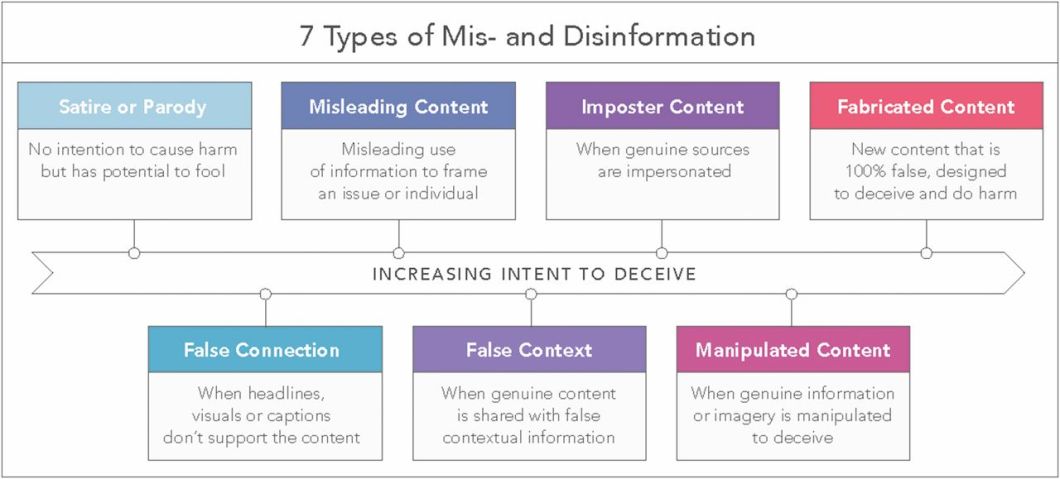
  The internet is full of useful resources, but how do we distinguish between what is reliable and authentic and what isn’t? The concept of disguising false often sensational information as a news report isn’t new. Weekly world news (1979-2007), The Onion (1988-) and many other outlets have been writing silly news stories for our amusement for numerous years. Continue reading →

Digital Differences: Reflection

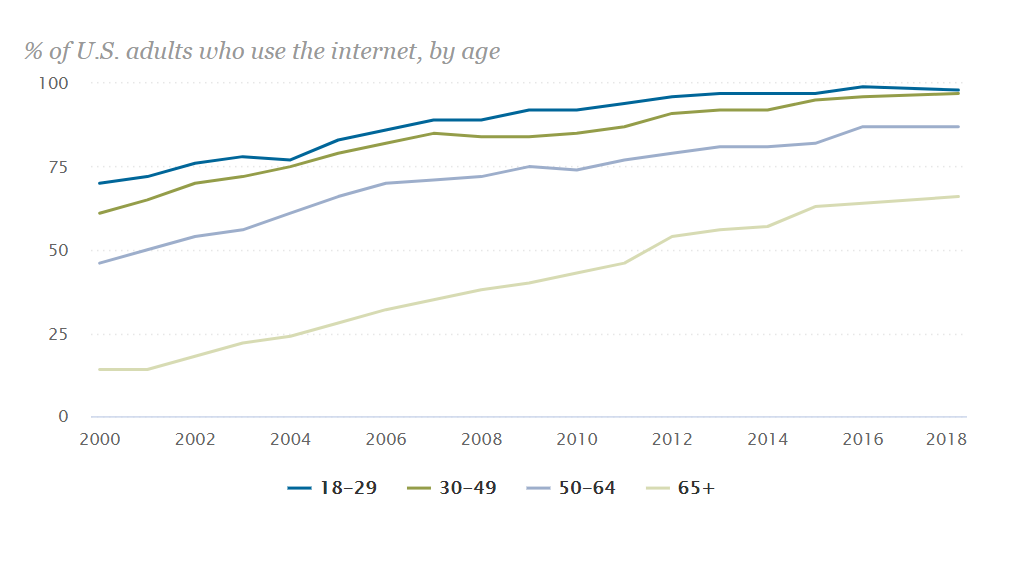
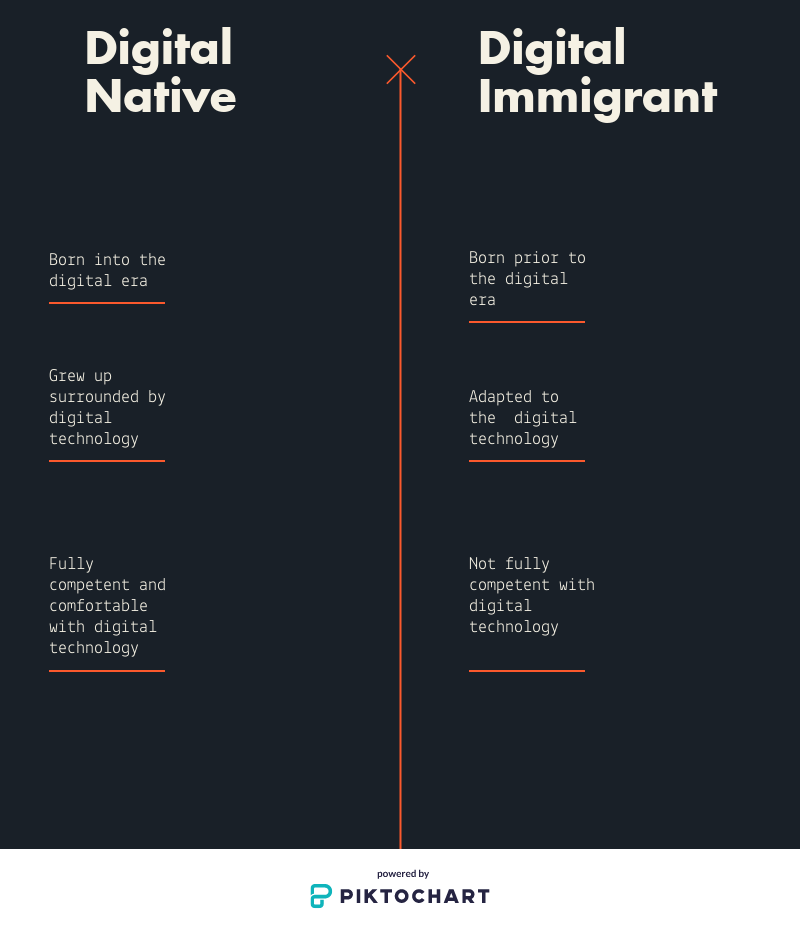
The digital difference is a term that I’ve come across numerous times before. While I knew it existed and what it meant, I was astonished to find the inequality caused by the differences had the same level of impact as other mainstream inequalities such as racism, sexism, ageism etc. One of the micro factors behind the digital difference that I focused on was age. I found that in the UK the younger generations are more digitally active than the older generations. Continue reading →

Digital Differences

In the UK, with 87.9% of adults using the internet, it’s difficult to comprehend a life without it and truly appreciate the importance of internet (Office for National Statistics, 2016). While we may take it for granted, not everyone has access to it, thus creating a digital divide. The term “digital divide” draws attention to the division within and across societies between those who have access to digital technologies and those who don’t (Bradbrook and Fisher, 2004). Continue reading →