Building from the May 2025 doctoral researcher workshop on impact and engagement, this workshop will focus on understanding and positioning your research impact as part of your professional development. As the ‘engagement, influence and impact’ section of PGR Development says:
Understanding how to communicate your research clearly, collaborate with wider communities, and generate meaningful impact is an essential part of doctoral‑level development.
We will explore how to understand, identify, and narrate the impact your research might generate, and how this connects with professional development goals and frameworks (including the Vitae Researcher Development Framework). The workshop will be structured around activities enabling you to understand contemporary research contexts and environments, reflect on your research and advance your professional development goals.
For those who did not participate in the May 2025 or would benefit from a reminder, the slides are available on the WSA Impact and Engagement site.
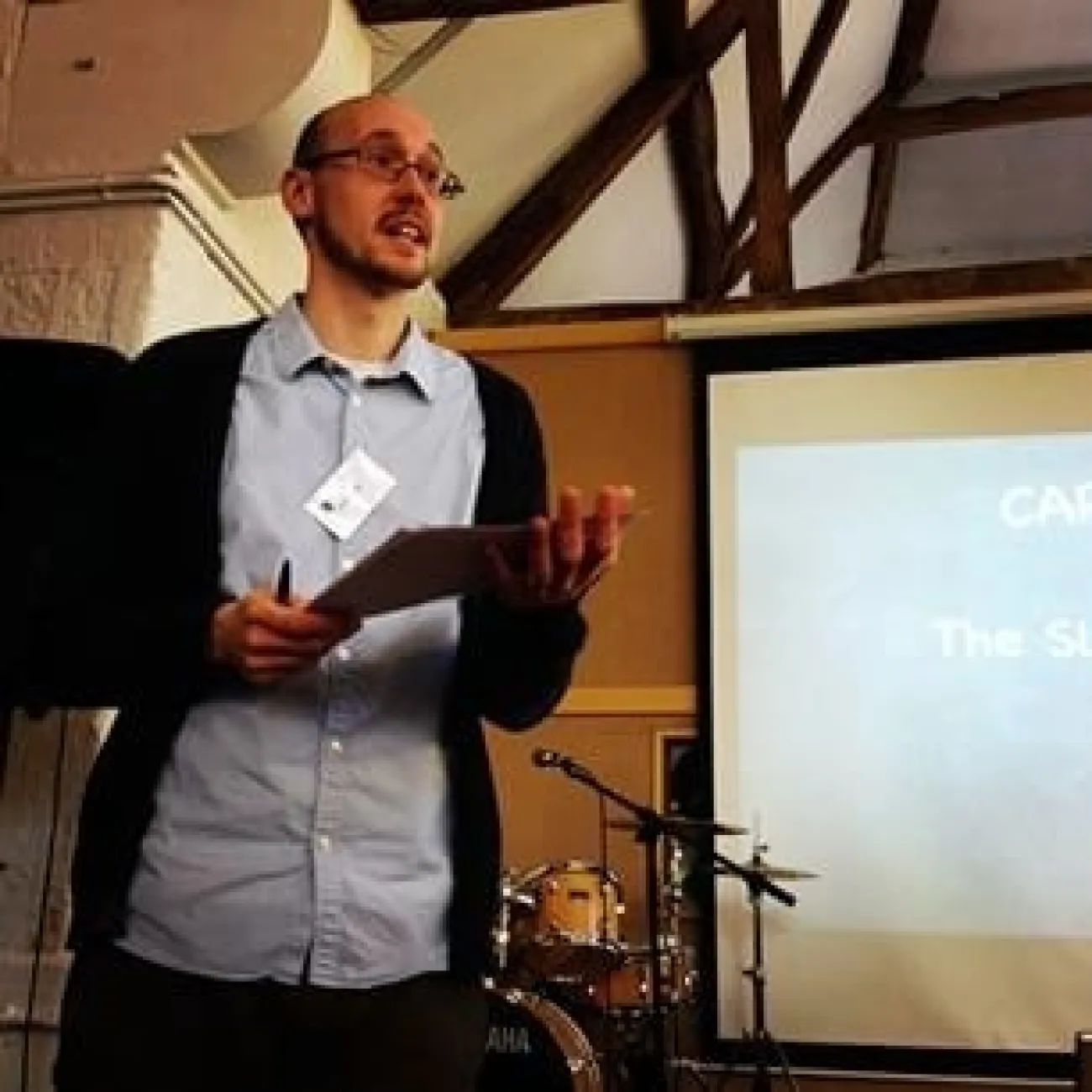
Prof Daniel Ashton is the Professor of Cultural and Creative Industries in the Department of Art and Media Technology at Winchester School of Art at the University of Southampton. His teaching and research focus on cultural and creative industries organisations, work and policy, and digital media technologies. Research in these areas has been presented internationally, published in academic journals, and shared in online videos and articles. He is a PhD supervisor and support postgraduate researchers with their teaching professional development. He has worked in partnership with a range of organisations on public exhibitions, teaching initiatives, and research projects.
A virtual reality (VR) project developed by WSA postgraduate researchers (PGRs) has been shortlisted at the Beijing International Film Festival, one of Asia’s leading platforms for immersive media.
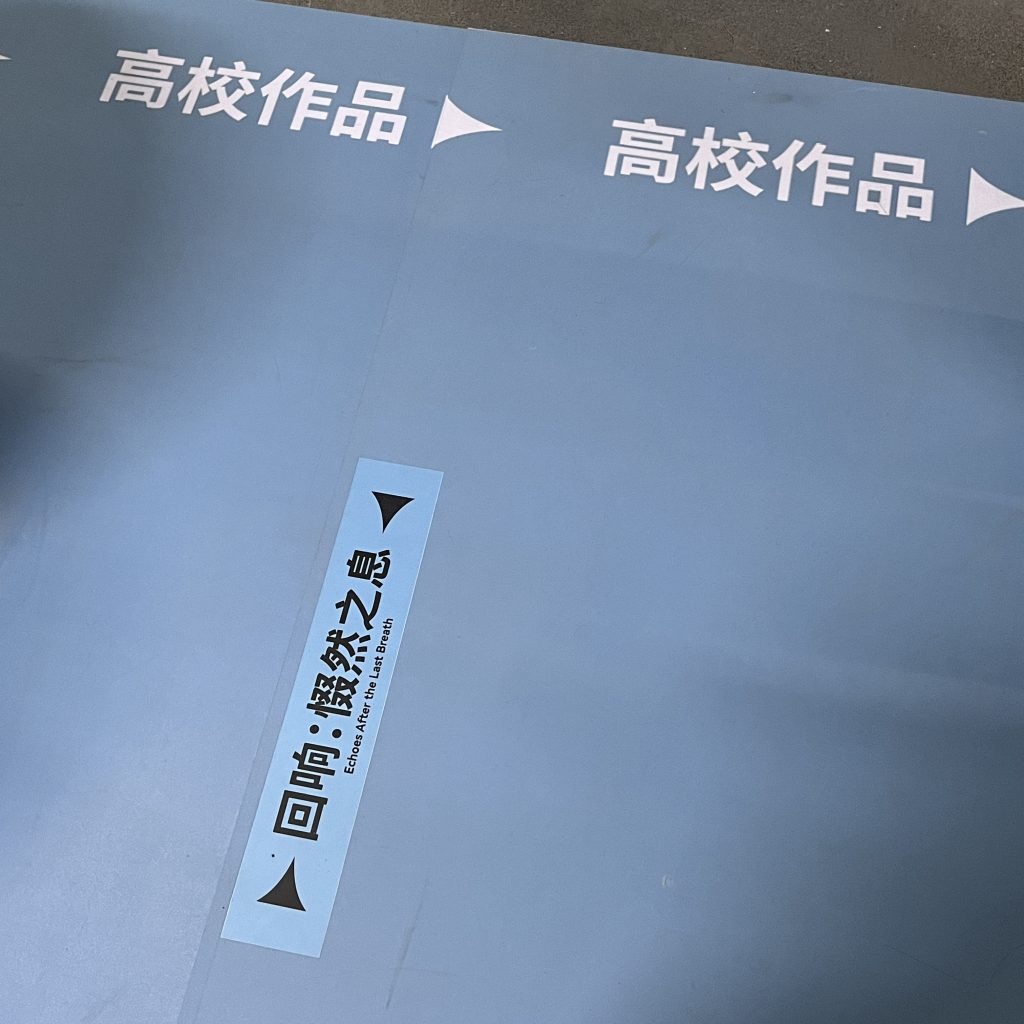
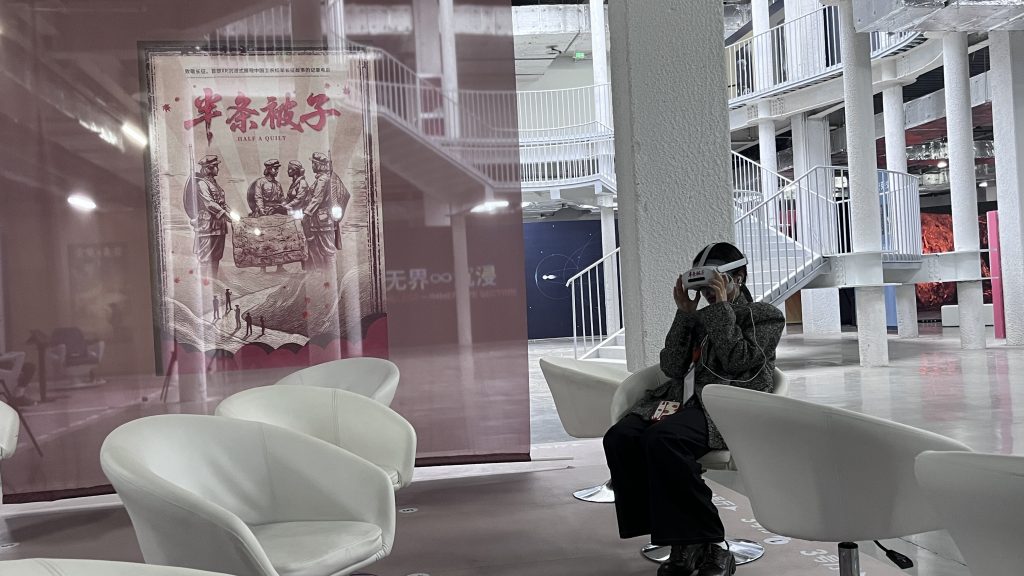
“Echoes After the Last Breath: A Gamified Gaze-Driven VR Near-Death Experience” by Yimeng Li, Weigan Zhang, and Xinyu Zhang was selected for exhibition at the 16th Beijing International Film Festival (BJIFF) “Boundless ∞ Immersive Unit.” In April 2026, Weigan and Yimeng attended the festival in Beijing, where the project was exhibited and presented to audiences alongside a wide range of international immersive works.
Yimeng Li and Weigan Zhang attending the 16th Beijing International Film Festival in Beijing.
Echoes After the Last Breath at the BJIFF Boundless ∞ Immersive Unit.
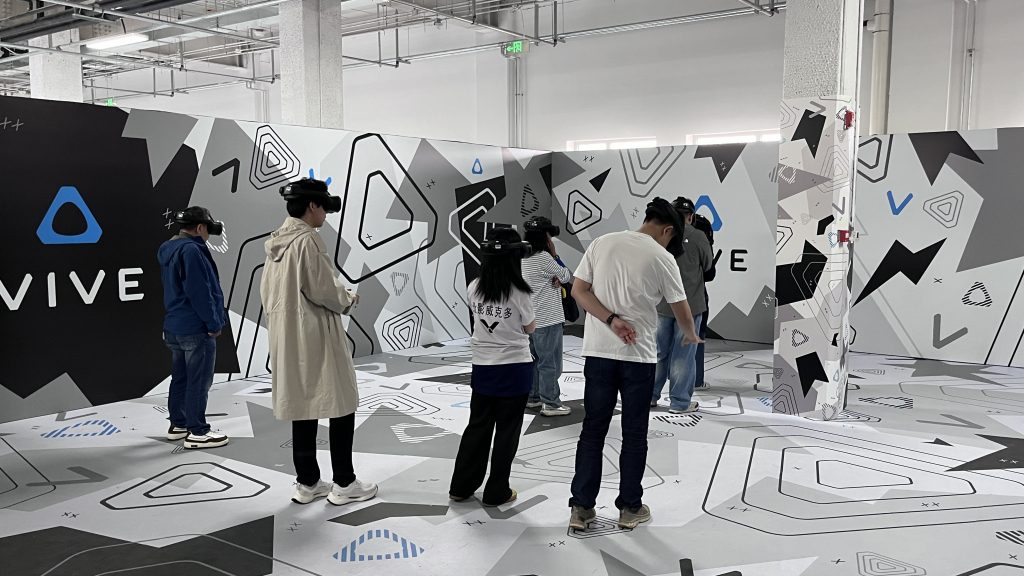
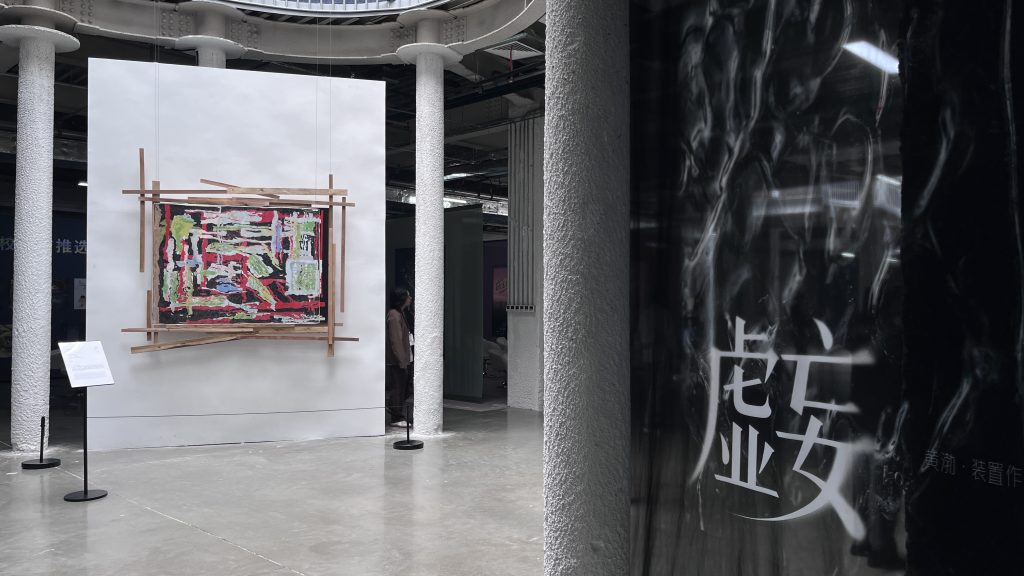
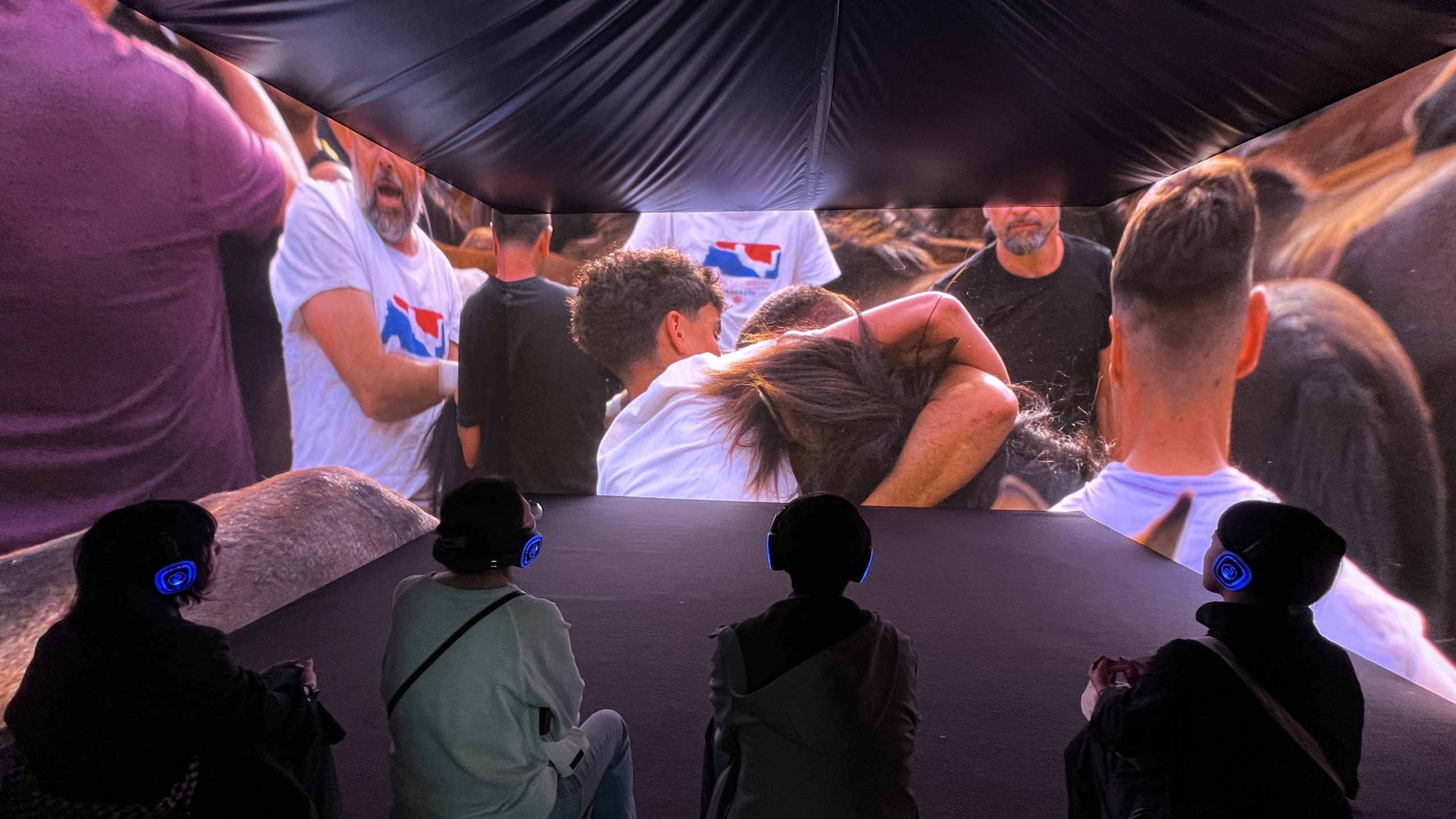
Exhibition views from the BJIFF Boundless ∞ Immersive Unit
Exhibition views from the BJIFF Boundless ∞ Immersive Unit
Exhibition views from the BJIFF Boundless ∞ Immersive Unit
“Echoes After the Last Breath: A Gamified Gaze-Driven VR Near-Death Experience” is an immersive interactive experience that explores memory and emotional resonance through spatial storytelling and sensory interaction. Presented within the context of emerging immersive cinema and interactive media, the work invited audiences to engage with the experience in a personal and reflective way.
The “Boundless ∞ Immersive Unit” is one of BJIFF’s major immersive sections, focusing on VR, AR, MR, installation art, and spatial media experiences from around the world. Under this year’s curatorial theme, “Entering Cinema Through Play”, the exhibition explored how audiences can experience storytelling beyond the traditional screen through interaction, embodiment, and participation.
Exhibition views from the BJIFF Boundless ∞ Immersive Unit
Weigan and Yimeng said: ‘During the exhibition, we had the opportunity to connect with many other immersive media creators and projects, exchanging ideas about storytelling, technology, and audience experience. We were also very happy to see so many visitors engage with our project. The audience shared a great deal of thoughtful feedback, encouraging responses, and useful suggestions for future improvements, which were incredibly valuable for us as creators and researchers. This experience was a wonderful opportunity for our team, and we are especially proud that the work of PhD students from the University of Southampton could be presented to a wider international audience through the Beijing International Film Festival.’
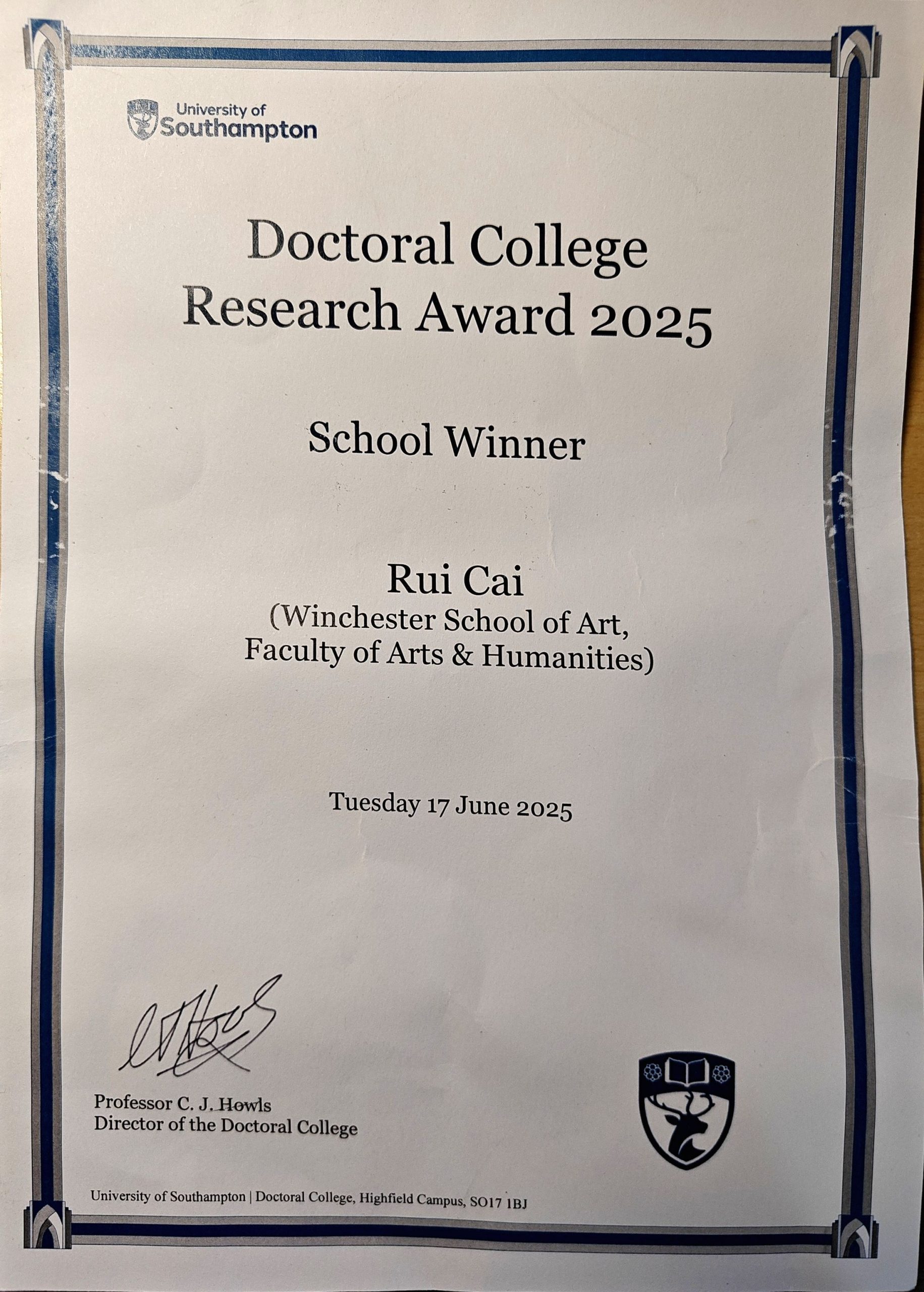
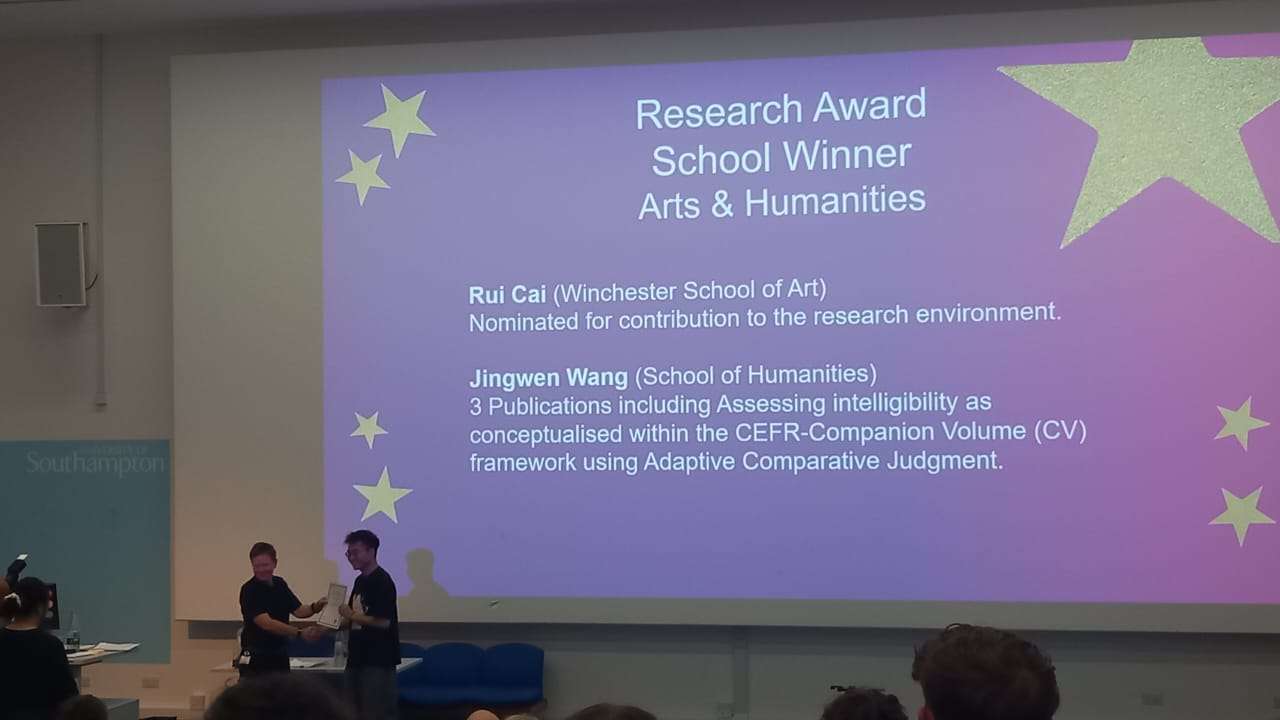
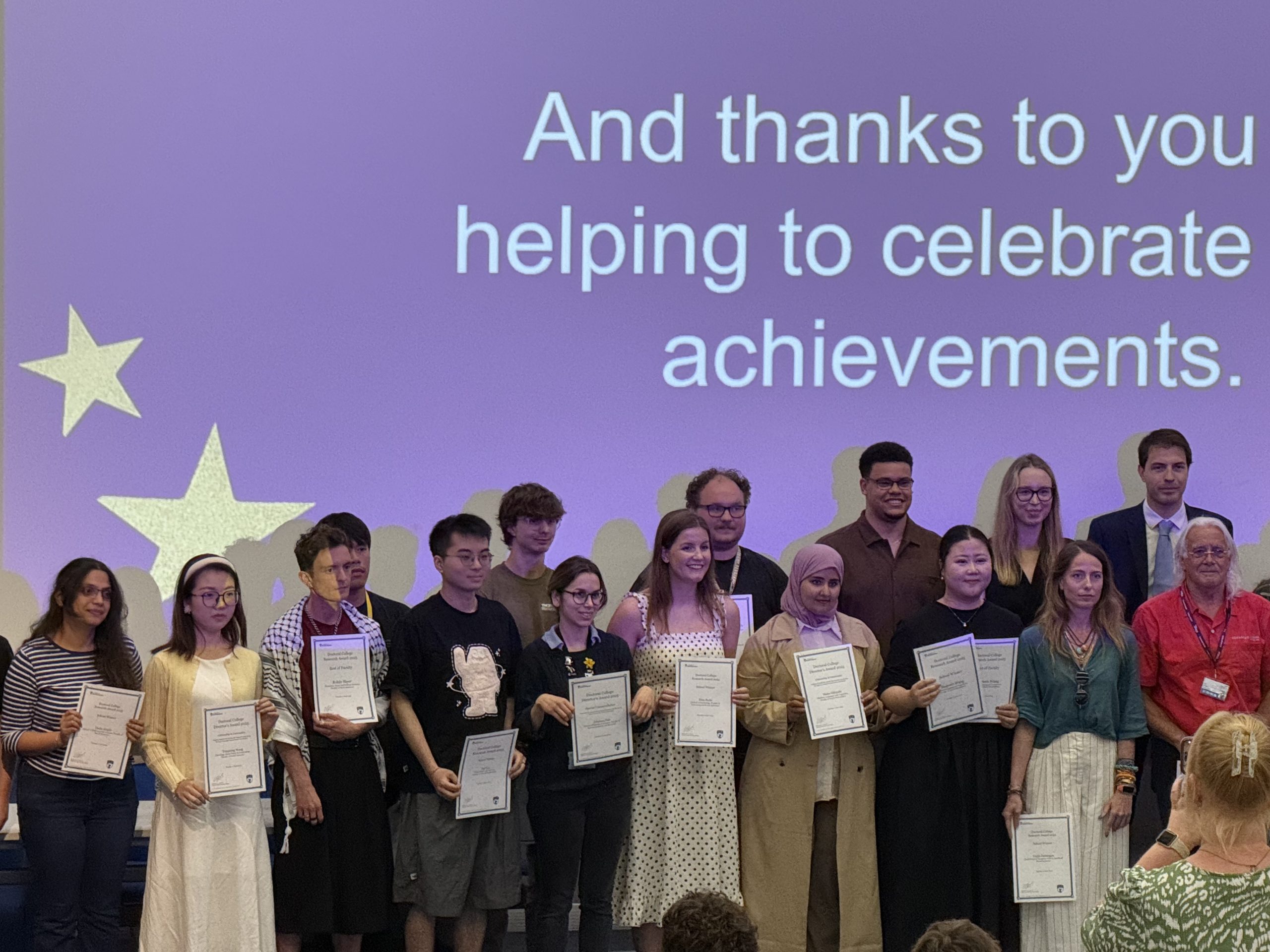
WSA PhD researcher Rui Cai has been awarded the School Winner of the Doctoral College Research Award 2025, receiving a £200 prize in recognition of his outstanding contribution to the research environment. He was nominated for his active engagement in managing the shared studio space used by practice-based PhD researchers and for fostering a strong sense of community solidarity among all WSA PGR researchers. This award celebrates the exceptional impact of doctoral researchers on their research group, school, faculty, or the wider University research strategy.
The Research Awards recognise a PGR’s excellent contribution to the research environment through a variety of research activities and outputs, as appropriate to their discipline, has been formally recognised at the PGR Showcase 2025: 3MT® Final & Awards Ceremony, which has been held on 17 June 2025 at Highfield Campus.
Rui Cai’s statement on the awards:
I’m honoured to have been nominated for my contributions to the research environment. This recognition is particularly meaningful as my interdisciplinary work, primarily in the bio-art field, presents unique challenges. Combining biology and art requires significant effort, including mastering complex biological knowledge and troubleshooting practical issues like persistent contamination. However, the fascinating process and consistently surprising artistic outcomes motivate my continued dedication. I’m grateful for this acknowledgement from the university, which will undoubtedly support the progression of my research.
Many congratulations to Rui on this well-deserved recognition!
We are pleased to share an exciting update from Hongrui Zhang, a first-year Ph.D. researcher at Winchester School of Art. Hongrui attended the prestigious Medical Technology UK 2025 exhibition in Coventry, where Hongrui explored cutting-edge developments in medical device innovation and sustainability.
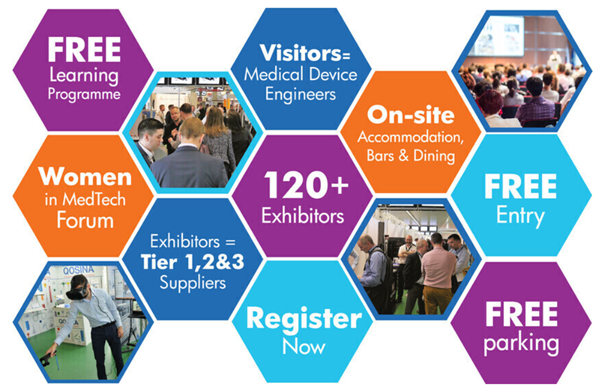
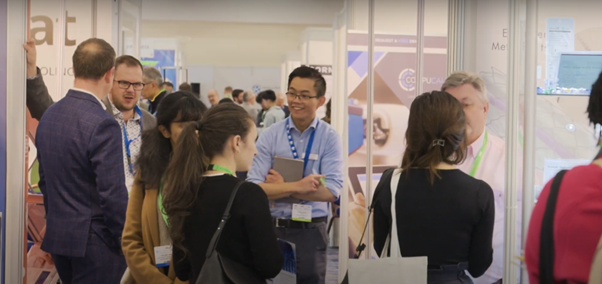
Hi, this is Hongrui Zhang, a first-year Ph.D. student in Design (E-textile Innovation Lab). With the support of the Winchester School of Art and my supervisor Professor Kai Yang. I had the opportunity to attend the Medical Technology UK 2025 exhibition, held on March 12-13 at the Coventry Building Society Arena, Coventry, England. This premier event presented the latest advancements in medical device design, development, and manufacturing. The event featured over 130 specialist suppliers, and a series of comprehensive learning programs such as the Women in MedTech Forum andPlastics & Sustainabilityin Healthcare, providing valuable insights into emerging trends in healthcare technology. During the exhibition, I actively engaged in learning about the latest industry developments and establishing connections with potential collaborators in both academia and industry. The networking opportunities provided interactions with key specialists in medical technology, fostering potential collaborations and knowledge exchange to enhance the development of sustainable e-textile electrodes as my project focuses on.
One of the key highlights of this event was the advancement in materials for medical applications, particularly in the realm of wearable technology and e-textiles. As my project, “Development of Sustainable and Wearable E-Textiles for Electrotherapy,” focuses on fabricating skin-friendly, sustainable, and high-performance electrodes, the exhibition provided a unique opportunity to explore relevant innovations in material science, electrode design, and manufacturing techniques. During the event, I had engaging discussions with multiple medical representatives such as Polymer Systems Technology UK Ltd, where they showed me their latest products for developing advanced medical silicone materials. This interaction inspired my research, particularly in enhancing the design and fabrication of silicone-based electrodes.
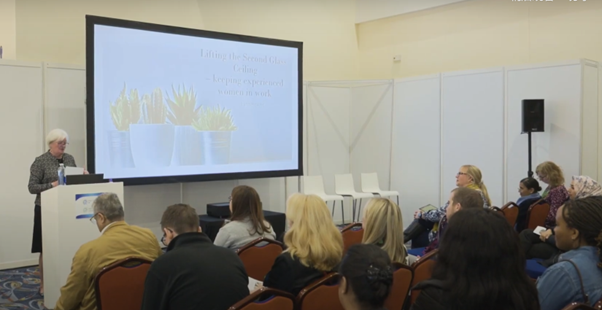
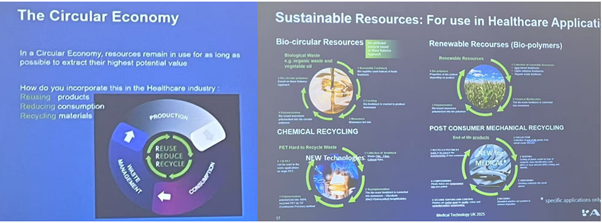
The exhibition also showcased cutting-edge solutions for medical device sustainability, a critical aspect of my research. With a focus on recyclable materials, eco-friendly fabrication processes, and long-term usability, discussions with industry experts provided insights into reducing environmental impact in healthcare applications. A particularly insightful part of the learning program, Plastics & Sustainability in Healthcare: Focus on Design & Development Options, discussed the adoption of biodegradable materials, energy-efficient manufacturing processes, and circular economy approaches in medical device production. However, I also realized that sustainability in healthcare still has a long way to go, as medical materials account for only a small fraction of overall material usage, and much of the effort has yet to become a reality. This awareness reinforced the significance of my research, giving me greater motivation to contribute to this field.
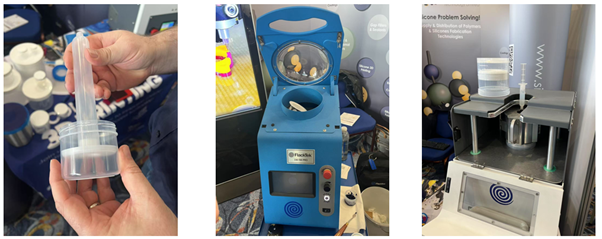
From left to right are: Customized pot for silicone rubber inks, Speed mixer for ink preparation, and Extruder for 3D-printable inksSlides from the learning program Plastics & Sustainability in Healthcare: Focus on Design & Development Options
Overall, Medical Technology UK 2025 was highly beneficial to my research, offering exposure to state-of-the-art advancements and reinforcing the importance of sustainable and innovative solutions in healthcare applications. The event not only broadened my knowledge of material innovations and industry trends but also provided an excellent platform to reflect on the broader implications of my work in the real-world healthcare landscape.