Currently browsing

Page 43

Introductory Topic

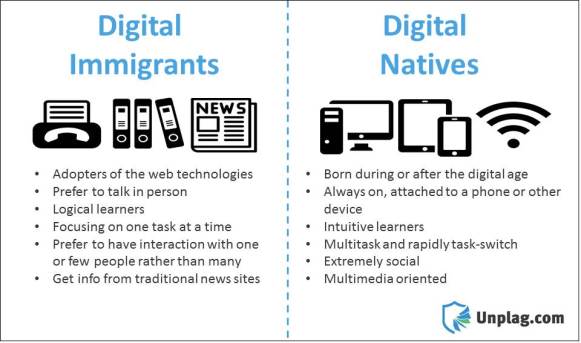
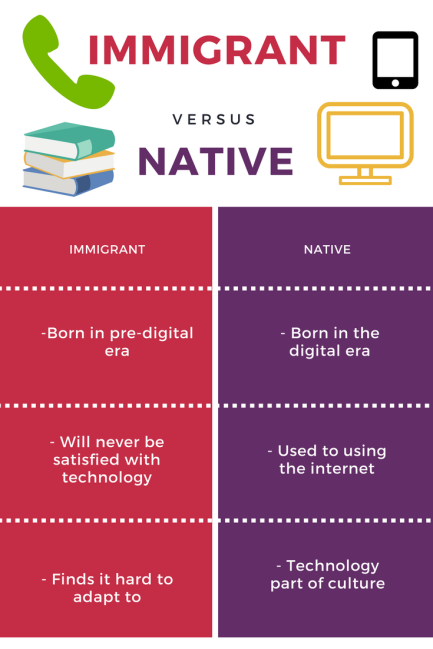
Digital natives areĀ the generation of people born during or after the rise of digital technologies whilstĀ digital immigrants are those born before the advent of digital technology (HuffPost, 2018). There are stark differences between digital visitors and residents. Visitors tend to only use platforms if they see it to be beneficial. Whilst remaining anonymous, they are unlikely to have any form of persistent profile online which shows who they are digitally. Continue reading →

Categorising Blog Posts

Once you’ve written your post, you will need to assign a CATEGORY to it. If you do not, it will not appear on the module blog and no-one will be able to read it...! BEFORE hitting the 'publish' button... FIRST: Create and assign the relevant category: Click on ā€˜+add new category’ Type the appropriate name (e.g. Intro Topic, Topic 1, Topic 2 etc. Continue reading →

A Reflection on Topic 4

Created using Canva With theĀ number ofĀ internet users continuing to grow, considering thatĀ just over 3.5 billions people areĀ able to access the internet (internetlivestats.com), there is an increasing pressure to ensure people use the internet ethically. Within Phil’s blog he focusedĀ on how social media generates a ‘lynch mob’ mentality in cases much like Justine Sacco, which we have explored previously. Continue reading →

Topic 4: Social Media Ethics

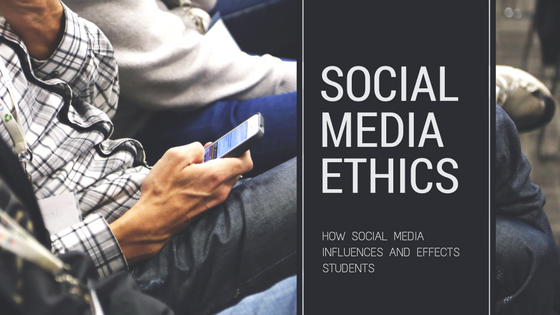
Created using Canva The advent of social networking sitesĀ has made all of us more connected and by doing so has allowed others to more easily contact each other. Some of those connections areĀ positiveĀ but some areĀ not. The format of social networking we see today began in the late 90s with ‘Six Degrees’, a social networking site that allowed users to create profiles and connect with others through existing relationships or through mutual interests (Boyd et al. 2007). Continue reading →

Social Media Giants-How they deal with ethical issues online.

According to Reference, ethical issues bring morality and principles into conflict and are more subjective and open to opinions and interpretation. Social media brings to light numerous ethical issues for example the issue of anonymity and privacy, freedom of speech and fake news. Social media giants (Facebook, Twitter) are slowly being forced to deal with these issues and held liable, rightly or wrongly. (S. Continue reading →