Currently browsing

Page 35

Topic 2: Online Identity

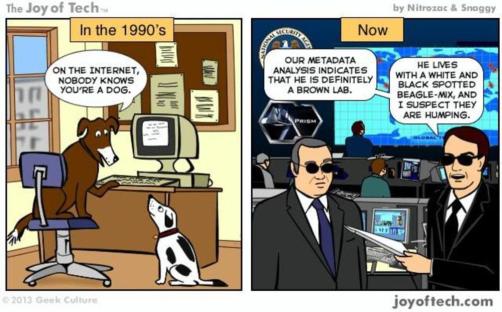
Taken from imgur.com Over the last decade or two, the internet has quickly become the place for people to socialise, increasing the need to create a permanent identity online. On social media websites such as Facebook and Twitter, you can choose who to ‘friend’ or ‘follow’ but how do you know these profiles represent who they are meant to? Here is an example of using one account to create another.   Screenshot taken from piktochart. Continue reading →

A reflection on Topic 1

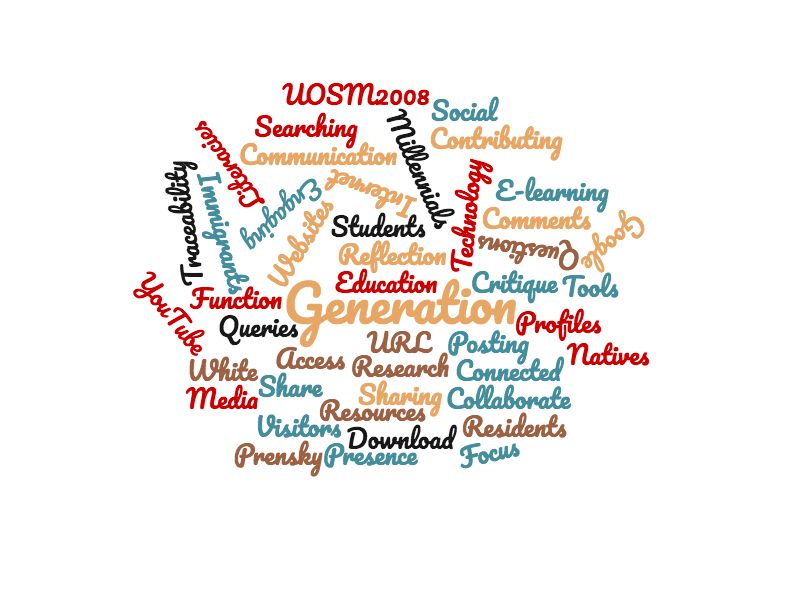
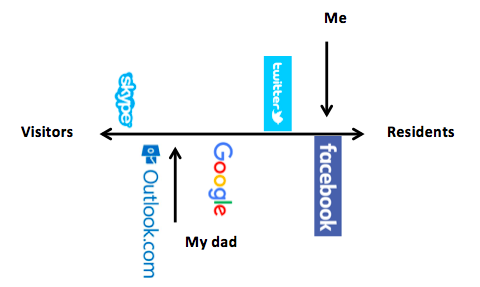
Created by Author on www.wordclouds.com Having researched what it means to be a ‘native’, ‘immigrant’, ‘visitor’ and ‘resident’, I understand their strengths and weaknesses and the assumptions underpinning them. Before I started this topic, I made assumptions on how I would fit into Prensky’s digital ‘natives’ and ‘immigrants’ idea (Prensky, 2001). Continue reading →

Final Reflections

As we have reached the end of the #UOSM2008 module, we have covered a variety of interesting and thought provoking topics. The lessons I have learned from each topic are briefly summarized in the presentation below. Created with Haiku Deck, presentation software that’s simple, beautiful and fun. Continue reading →

Topic 4: Reflections

This week, we were given the task of exploring the ethical issues that arise through business or educational use of social media. This topic triggered a broad range of topics to be discussed by fellow #UOSM2008 students, however my post focused on the issue of digital footprints that accumulate from using social media in education. I thoroughly enjoyed researching this topic and reading the different perspectives that everyone had explored. Continue reading →

The Use of Social Media in Education

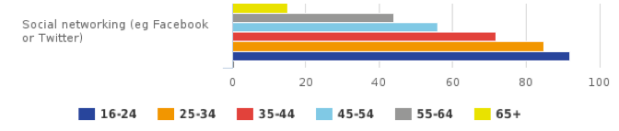
Social Networking Sites are a widely used tool to which 61% of adults engage in, thus making it a popular platform to interact over. As depicted in the graph below, a majority of those that use Social Networking Sites are between the ages of 16-24, thus making the use of social media in education a popular option amongst education providers.   Statistics on the different age groups that engaged in Social Networking in Great Britain during 2015. Continue reading →

Social Media Plagiarism

Ethics focus on what is best for society, and constitute a structure of moral principles governing how people live their lives.  Therefore, ethical issues occur when moral principles and actions are conflicted, and individuals are unsure between right and wrong.   Education is slowly becoming more integrated with social media, so the ethical implications of this are becoming more relevant. Continue reading →

Reflecting on my Authenticity on LinkedIn

My blog this week focused on striving to achieve an authentic profile on LinkedIn.  At the beginning, I thought that I already had an effective understanding of this, but came to realise through research and reading others’ blogs that employers regularly strategically evaluate the authenticity of potential employees during the recruitment process (Cheston, 2012; Rooney, 2015). Continue reading →

Topic 3: Reflections

This week we were given the task of providing tips on how to build an online professional profile. The importance of an online professional profile is constantly mentioned at networking events so I therefore based my post on exploring tips that I have frequently heard as a law student. From completing this topic I have a better understanding as to what my professional online profile should look like, which will come in handy when I (eventually) create my LinkedIn page. Continue reading →

LinkedIn as an Enabler of Employability and Professional Identity Development

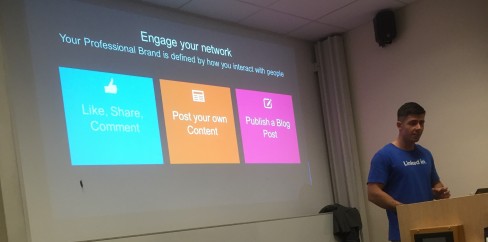
Having a strong online professional presence is favourable in today’s competitive job market, and in this post I’ll focus on the uses and effects of LinkedIn.   Allison Cheston, founder of a careers advisement firm, says that the first thing she does when assessing candidates is review their LinkedIn profile, and … if they’re an active user.  This means contributing to the site, showing your personality, knowledge and opinions to your connections and the public. Continue reading →

Developing an authentic online professional profile

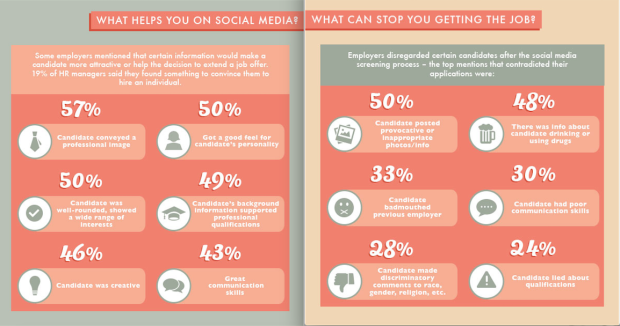
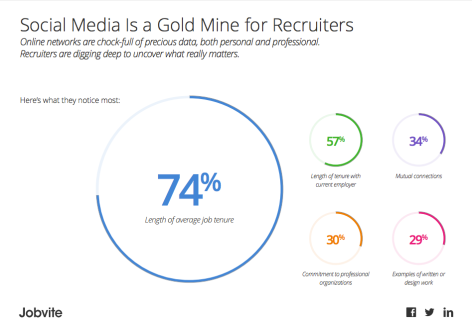
  As social media has become a widespread feature within modern society, it also plays an increasingly important role within the recruitment process as highlighted by the statistics shown in Figure 1 and 2. This makes it quintessential for jobseekers, in particular graduates to keep up-to-date authentic online professional profiles so that all important job opportunities are not being missed. Continue reading →

Review of Topic 3

Whilst I always recognised the importance of my presence online and the role it can play in determining my employment possibilities, attaching a statistic to the seriousness of the issue has completely changed my outlook on the matter. Being aware that 93% of recruiter’s review a candidate’s social media profile before making a hiring decision has made me completely rethink my online professional appearance. Continue reading →