Currently browsing

Page 126

Transatlantic thoughts

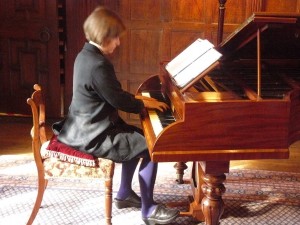
US scholar-performer Dr Vivian Montgomery reflects on her stay in Southampton during a Fulbright fellowship:  As I near the end of my time in the UK as a Fulbright Senior Scholar, I’m astonished by both how much has happened and how much more I could do with another 6 months. I came to Southampton in January after 5 days staying in Durham Castle for the Fulbright Forum. Continue reading →

Build your own Portus

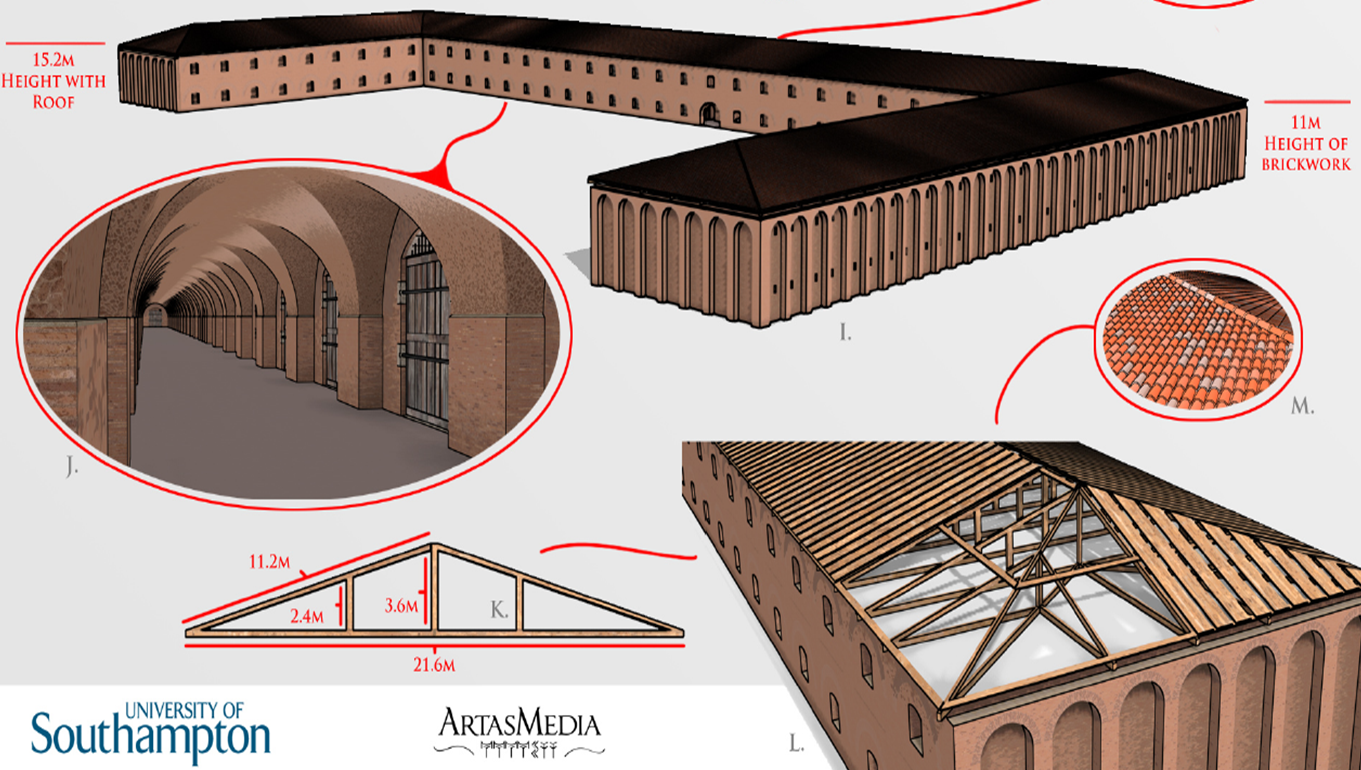
Modelling help sheet (Grant Cox and Christina Triantafillou) I’m very excited about the imagination shown in the comments on the Archaeology of Portus: exploring the lost harbour of ancient Rome course. But it is clear that even at this late stage it is still hard to get a sense of space. We’ve worked hard to film as much as possible of the MOOC content actually on-site at Portus last summer, and you can see where this footage was filmed. Hopefully this week will also help. Continue reading →

Simulating Roman Trade Patterns

Figure one ‘Course taken when tracking in to the Wind’ I am a professional software developer and also studying for a PhD part time at the University of Southampton. My main interest at the moment is in the simulation of different routes connecting Portus to the other ports of the Mediterranean – topics discussed way back in Week One of the course e.g. in the Links to Other Ports step. My work uses a combination of computational approaches. Continue reading →

Race and bioarchaeology: what else can we do with human remains?

Sexual dimorphism in Egyptian crania On the Archaeology of Portus course this week we’ve been looking at the People of Portus. Analysing human remains is an extremely delicate process, both practically and ethically. Archaeologists take any activities associated with human remains very seriously. It wasn’t surprising that Andrew Dufton’s post about the Archaeology’s Dirty Little Secrets course also included reference to these ethical issues. Continue reading →

Portus’ dirty little secrets

  Archaeology’s Dirty Little Secrets Coursera Course image – used with permission Working with Sue Alcock and Müge Durusu at Brown University on the Archaeology’s Dirty Little Secrets (ADLS) course on the Coursera platform, and chairing a recent session with the ADLS team at the Annual Meeting of Computer Applications in Archaeology in Paris this past April, I’ve been pleasantly surprised by the number of institutions tackling the same issues we encountered during... Continue reading →

The financial contributions of the city of Salisbury for the expedition

The king’s expedition to France was a costly undertaking as can be seen by the financial contributions made by the city of Salisbury.  In the fifteenth century Salisbury was a wealthy and populous city due to its manufacture of cloth.  This meant, however, that it had to provide large sums of money to fund the king’s war with France. Continue reading →

(dis-)Connected Life?

Last week I attended Connected Life, a one day conference at Balliol College Oxford, the home of the Oxford Internet Institute. Manchester Poly was never like this! #CL14 http://t.co/K3NK51ZPgr— Matthew Tyler-Jones (@MTylerJones) June 12, 2014 There’s an extensive photo gallery of the event here, and I’m sure it will be joined by more content as time progresses. Continue reading →