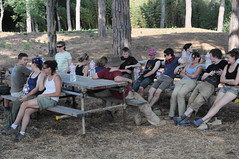
I membri del team sono tutti nei loro ruoli. Gli studenti e il personale procedono quotidianamente nello scavo, nel rilievo e nel lavoro post-scavo. La giornata è suddivisa in quattro sessioni di lavoro con drink di benvenuto. L’ombra degli alberi a est compensa la mancanza di ombra su gran parte del sito. Abbiamo anche rimosso un piccolo numero di alberi per mettere lo scavo in sicurezza sulla zona occidentale.
Continue reading →
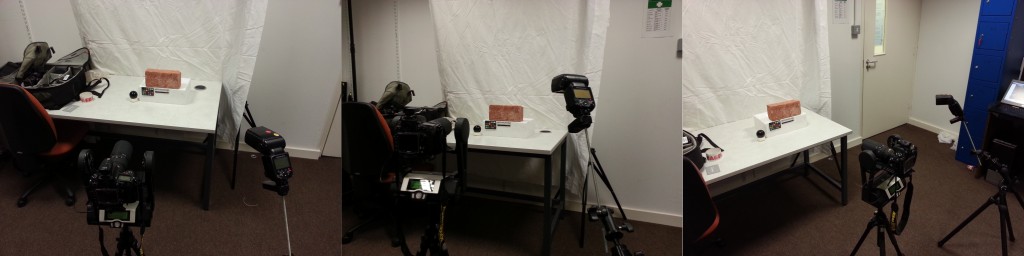
Lavorare sottoterra rappresenta una sfida fotografica unica: Qui possiamo vedere James Miles e il sottoscritto usare una scansione laser in un corridoio sotterraneo nel Palazzo Imperiale. Le lunghe esposizioni necessarie per catturare una scena poco illuminata significa che la luce e i movimenti assumono la forma di sfocature e ombre.
La fotografia è stato estremamente importante per il Portus Project.
Continue reading →
Oggi abbiamo viaggiato. Alcuni dalla Colombia, alcuni dal Regno Unito, alcuni dall’Italia e un altro da Taiwan. Quindi, tutti si sono incontrati e sono entrati nei loro alloggi. E’ stata una giornata intensa ma alla fine, in particolare una volta che la pizza è stata servita, tutto è tornato alla normalità. Siamo una grande team quest’anno – circa 70 in totale – e quindi tutto si complica un po’.
Continue reading →
Abbiamo appena ricevuto un finanziamento dal Student Centredness fund per creare un campo Scuola unico a Portus il quale fornirà il contesto per un’innovativa esperienza d’apprendimento agli studenti provenienti da tutta l’Università, compresa un’infrastruttura on-line per creare una comunità sulla base del periodo di lavoro archeologico sul campo in Italia.
Continue reading →
Abbiamo appreso che la domanda di fondi allo Student Centredness per un progetto, di cui il Portus Project è partner, è stato finanziato. Il progetto guidato dal dottor Rex Taylor vuole progettare, testare e valutare una metodologia di lavoro virtuale sul virtuale che sarà utile alle discipline in tutta l’Università con componenti di lavoro sul campo.
Continue reading →
The University of Southampton is amongst 50 leading organisations that are backing a group of MPs and Peers calling for all political parties to make a General Election manifesto commitment to improving language skills in the UK.
Further information about the University’s support for this initiative can be found on the University’s Modern Languages website.
Continue reading →
The ACRG has always been an integral part within the recent development of RTI. ACRG’s involvement began with the AHRC funded RTISAD project where we piloted the technique on inscribed ancient documents and archaeological artefacts. We likewise raised awareness of RTI in research and public communities in the UK.
Continue reading →
In 2012 ACRG members, James Miles and Hembo Pagi, completed a series of RTI captures and a photogrammetry model of the Easter Island Statue, Hoa Hakananai’a, which is currently housed in the British Museum. Since then, in collaboration with Mike Pitts, we have examined the results of these RTI files and compared them with the photogrammetry model. A brief discussion of this work can be seen in a previous blog post.
Continue reading →
nicoleebeale:Kris Strutt has written a blog post about the first few days of the survey of Basingstoke Common. We can’t wait to see the results!
Thanks for sharing your thoughts on the initial findings Kris!
Originally posted on Kristian Strutt:
After the successes of the surveys and excavation at Basing House in 2014, a second season of work is being conducted by the Basing House CAT project (http://basinghouseproject.org/) directed by Nicole and Gareth Beale.
Continue reading →