‘Meet the Scientists’

Young people who may have thought that scientists were ‘boring’ and ‘nerdy’ changed their minds after having an opportunity to ‘Meet the Scientist’ face-to-face.

That’s one of the key findings of a study published in the International Journal of Science Education by experts from the University of Southampton’s LifeLab project into student-scientist engagement.

The ‘Meet the Scientist’ sessions are part of a wider initiative to promote health literacy through science education. The LifeLab project is an innovative educational intervention which actively engages with young people, teachers and researchers. The aim is to introduce the science that explains how lifestyle choices at an early age can drastically affect young people’s health and the health of their future children.  As part of the hands-on practical day, students take part in ‘Meet the Scientist’ sessions where they have the opportunity to meet and talk to scientists, from both academic and clinical backgrounds.

Scientists from different areas led small group discussions with school students aged 13-15 years. Feedback from the school students showed that these short informal interactions changed the students’ expectations of what scientists are like. In their post-session feedback, students pointed out that the scientists they met were not as expected because they thought ‘of a stereotypical scientist [as] a nutty professor’ or because they thought that they would be ‘mad and posh’. Instead, the students found the scientists to be ‘normal and chatty’.

“Students have been reported to have stereotypical views of scientists as middle-aged white men in lab coats,” said Kathryn Woods-Townsend, co-author of the study and Programme Manager for the LifeLab project. “We argue that a way to provide students with a more realistic view of scientists and their work is to provide them with the opportunity to interact with scientists during short, discussion-based sessions.”

Scientists themselves viewed the scientist–student interactions as a great vehicle for science communication. Interestingly, the scientists were aware of the stereotypical images held by students and felt this needs further attention in order for students to become more interested in science.

The study was carried out by academics from the University of Southampton’s Education School and Mathematics and Science Learning Centre. LifeLab is based at University Hospital Southampton NHS Foundation Trust.

You can find the full study here.


Winchester School of Art showcases top talent

fashionfocus2Students from the Winchester School of Art (WSA) had the opportunity to showcase their talent at an innovative event called ‘Future Focus’, attended by leading employers from the UK fashion industry.

Amanda Bragg-Mollison, Programme Leader of Fashion Marketing/Management at WSA, came up with the idea of the event to get her students in front of industry leaders.

WSA invested in a centrally located London venue and, after months of negotiation, forged a partnership with LS:N Global, a market intelligence agency which has clients across the fashion industry.

This was key to WSA successfully inviting some very influential people to the event held in Soho. Attendees had a 30-minute consumer trend presentation by LS:N Global which explored the impact of the digital environment on consumers and the consequences, challenges and opportunities this presents for brands. Industry professionals in attendance said how insightful and useful the presentation was and  how it provoked self-reflection about the use of technology in our daily lives.

Following the presentation there was a video of work by WSA students, who are all in their final year of the Fashion Marketing and Management degree, and the opportunity to network with some of the UK’s leading names in the industry.

It is hoped that the event will help graduates onto the career ladder in the highly competitive fashion industry.

Amanda says: ‘My vision would be that ‘Future Focus’ becomes the ‘go to place’ for leading brands in the fashion industry who are looking for high calibre graduates.”

You can read more about the event at the ‘Future Focus’ blog.


Join the conversation about how we use technology in education

Professor Alex Neill, Pro Vice-Chancellor (Education), tells e-Voice why technology-enhanced learning (TEL) was chosen as a focus for the year and why staff involvement and ideas are crucial to its success.


Q. Technology-enhanced learning has been chosen as a focus for enhancement activity this year. What does that mean?

A. Like any good university, we are constantly trying to enhance what we do. By identifying a particular enhancement theme, we create a space for people to really focus on enhancement in one area for a set time. If we can build genuine engagement with the theme, then we can also create momentum behind it across the University.

Q. Who picks the enhancement theme?

A. The University’s Academic Quality and Standards Committee (AQSC) looks at the insights and suggestions emerging from the Faculty programme reports and selects the theme.

This time we saw all kinds of things coming through from the Faculties around the use of technology in the way they deliver education or lead educational development. After seeing that input, technology-enhanced learning (TEL) was a natural choice.

It is a very broad area – it could include lecture capture, massive open online courses (MOOCs), online distance learning, the way people are using Blackboard and much more.

Q. How can people get involved?

A. There are colleagues across the university doing things with technology in truly innovative and creative ways that others could learn from and students could benefit from. I would love to see those ideas feeding upward as a result of this theme.

To bring as many people as possible into a conversation about good practice and innovative ways of using technology, the Institute of Learning, Innovation and Development (ILIaD) are setting up a series of University-level events. Anyone with an interest is welcome to attend – the first event is a TEL conference on Highfield Campus in April.

ILIaD is integral to the success of this theme and joining their Community of Practice (CoP), a growing network of colleagues who are passionate about innovation in education and TEL, would also be a great way to start getting involved.

Q. What would make TEL a successful enhancement theme this year?

A. At the end of the year I’d like to be able to say we’ve seen real engagement with this theme  – if 1000 colleagues with a direct interest in the design, development or delivery of education have participated in some form of activity linked to the TEL theme, I’d feel we’d really achieved something.

Success would also be about what people did as a result of attending those events – what spin-off activity they organised or took part in, for example, and how many independently organised events and workshops took place over the course of the year.

The TEL conference in April is a great opportunity to be there at the start and influence how the conversation develops this year.

To register for the TEL conference:https://sotontel.eventbrite.co.uk and follow the hashtag #SotonTEL for updates.

Got an idea? Want to host an event? Or want to join ILIaD’s Community of Practice? Please talk to your Associate Dean for Education and Student Experience or email enhancement@soton.ac.uk


Moving university innovations into the marketplace

sugarThe challenge of translating research discoveries into viable business and industry ideas is being addressed by a new innovation to commercialisation programme.

Innovation-to-Commercialisation of University Research (ICURe) is run by the SETsquared Partnership and funded by HEFCE and InnovateUK.

Its aim is to move ideas and innovations out of universities and into the marketplace. The programme funds teams, with grants of up to £50,000, to determine whether there is a market for their discovery.

The basis of ICURe is a real-world, hands-on, immersive learning experience about what it takes to successfully transfer innovations into the market.  It is about engaging with industry and talking to customers, partners and competitors to identify the most appropriate business model.

Programme participants go on a three-day intensive boot camp followed by a market assessment period. This involves early career researchers taking the lead in engaging with potential customers, partners and competitors to validate the commercialisation potential of the research. Each team is fully supported by SETsquared and has a business mentor from a relevant industrial sector.

ICURe ties in closely with work by HEFCE to develop entrepreneurial skills and knowledge in a new generation of scientists and engineers.  The programme will also benefit teams who just want to improve their knowledge of the marketplace. This can be used back in the lab to either refine ideas and technologies or to take the research down another path.

This video case study shows an example of ICURe in action – https://vimeo.com/120785720 – the password is SETsquared.

For more information on ICURe please contact Ben McClure, Programme Manager 01225 388722.

Media roundup

Welcome to the latest edition of the University media digest, which covers major media appearances during the month of February.

In February, media appearances relating to the University created over 207 million opportunities to view and hear stories via print, broadcast and online outlets. A total of 2,948 news clippings were logged in media outlets based across 28 countries and tweets about press releases from the university twitter account reached over 170 thousand users.

Below is a selection of stories which reached regional, national and international audiences:

IODP Expedition 353 Indian MonsoonCarbon records make waves

Two pieces of research by Gavin Foster and colleagues in Ocean and Earth Science gained major international media coverage over a two week period. The first paper, looking at climate sensitivity during the Pliocene to predict future climate change, was covered by BBC NewsThe Washington Post, The Daily Mail, The Independent, International Business Times, Scientific American and The Belfast Telegraph, as well as numerous other outlets to create over 160 news clippings. The second paper, which suggested a release of carbon from the deep ocean helped to end the last ice age, also received coverage on the BBC News website and The Mail Online, as well as BBC Radio 5 Live, The Times of India, The Economic Times, The Business Standard, Business Insider (Australia), Fox News, The Irish Examiner and various other outlets.

Detecting dark matter

News of a proposed particle that may help detect dark matter was reported around the world including The IndependentThe Daily MailNBC News (USA)Times of IndiaWired magazineGizmagRed Orbit and Tech Times. Lead author of the study, James Bateman, also conducted an interview with BBC Radio Solent.

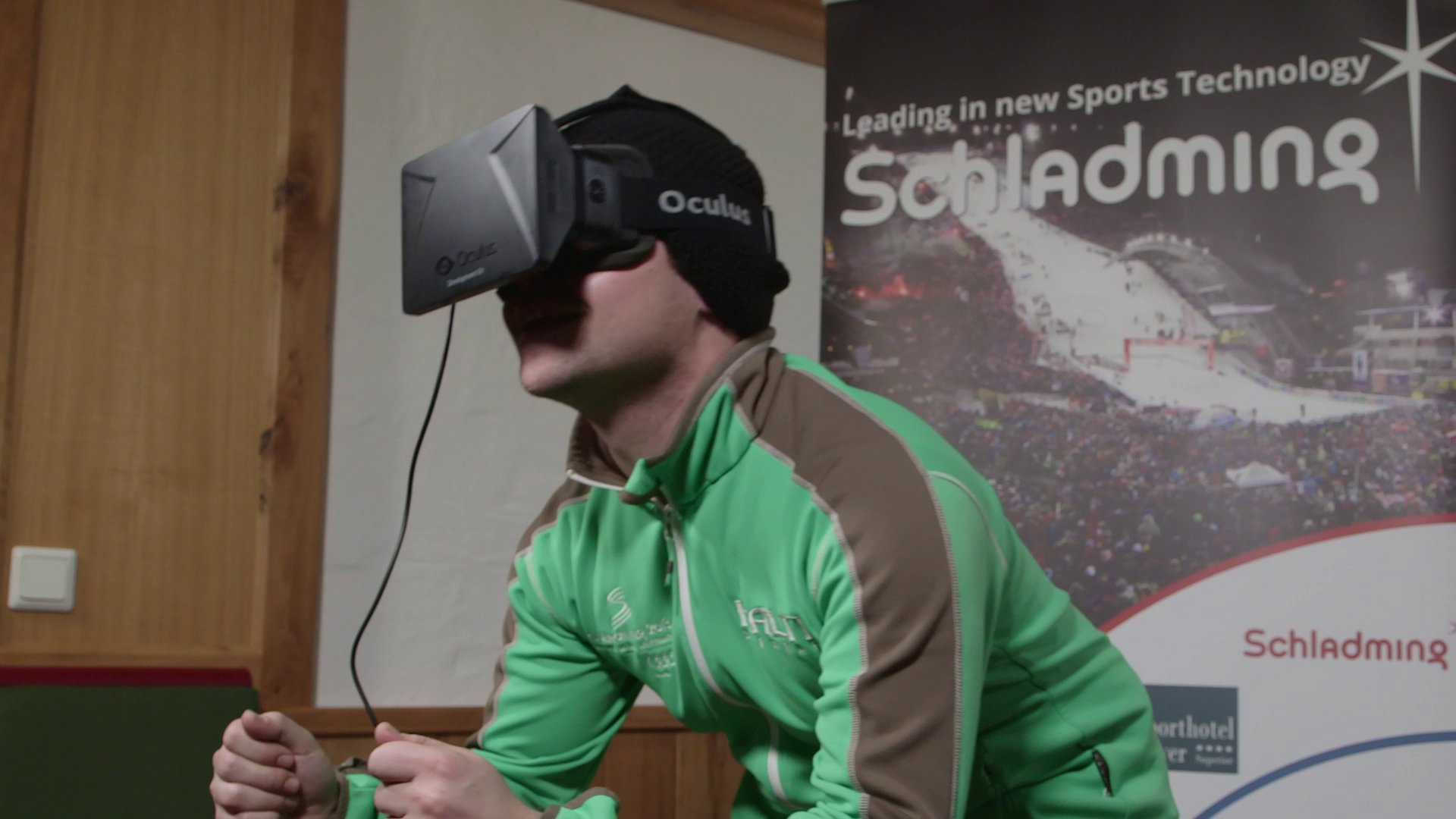
3DLIVE_Indoor_Player_FrontWorld’s first real-time ‘mixed reality’ ski race

There was worldwide coverage for the world’s first real-time ‘mixed reality’ ski race including BBC Click , The Discovery Channel, and Electronics Weekly.


Eating disorders and financial issues

Research by Dr Tom Richardson into the relationship between financial problems and eating disorders was covered by The Independent, Fox news, ITV Meridian, BBC Radio Solent and several specialist websites. Tom was also interviewed on BBC Radio 4’s Women’s Hour programme.

A related piece of research into tuitions fees and mental wellbeing appeared in the Times Higher and the University Herald.

Academics on the airways

During February, Professor Mark Nixon appeared on BBC Newsnight talking about facial recognition software. You can view the feature here via the BBC News website.

Professor Jane Ball was interviewed on BBC Radio Four’s File on Four programme and Professor David Sear spoke with BBC Countryfile’s Matt Baker about the lost Suffolk town of Dunwich reaching an estimated 6.5 million viewers. Darren Naish’s interview about a new species of dinosaur featured across 36 local BBC radio stations.

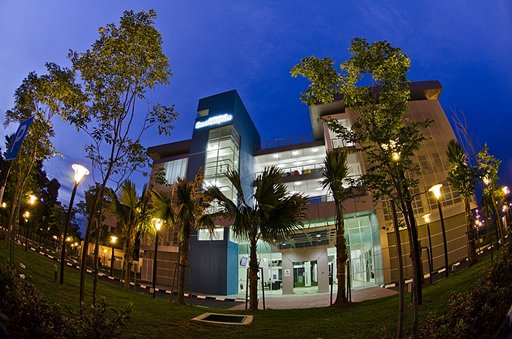
malaysia campusMalaysia Campus Experts Featured

A series of articles featuring academics from the University of Malaysia Campus are currently featuring in The Sun newspaper in Malaysia. The latest academic featured is Dr Low Sow Yiong whose expertise lies in Electronic Systems, Circuits and Mathematics. The Sun reaches an estimated 305,000 readers in Malaysia every day.


The Conversation

University academics contributed 16 opinion pieces to The Conversation during February and March. These articles had a total readership of nearly 500,000 and were republished on popular websites including IFL Science, Business Insider and The Huffington Post. Top articles included Jorg Wiedenmann’s Revealed: why some corals are more colourful than others, Pia Riggirozzi’s What is going on in Argentina with President Fernandez de Kirchner? and John Dearing’s China farming boom has left ecosystems in danger of total collapse

 ******

If you have a story, or are undertaking research that you think might be of interest to the press, please contact us on press@soton.ac.uk. You can also view a more comprehensive listing of the University’s latest media coverage at http://www.soton.ac.uk/mediacentre/news/in_the_news/current.shtml

Arts and events

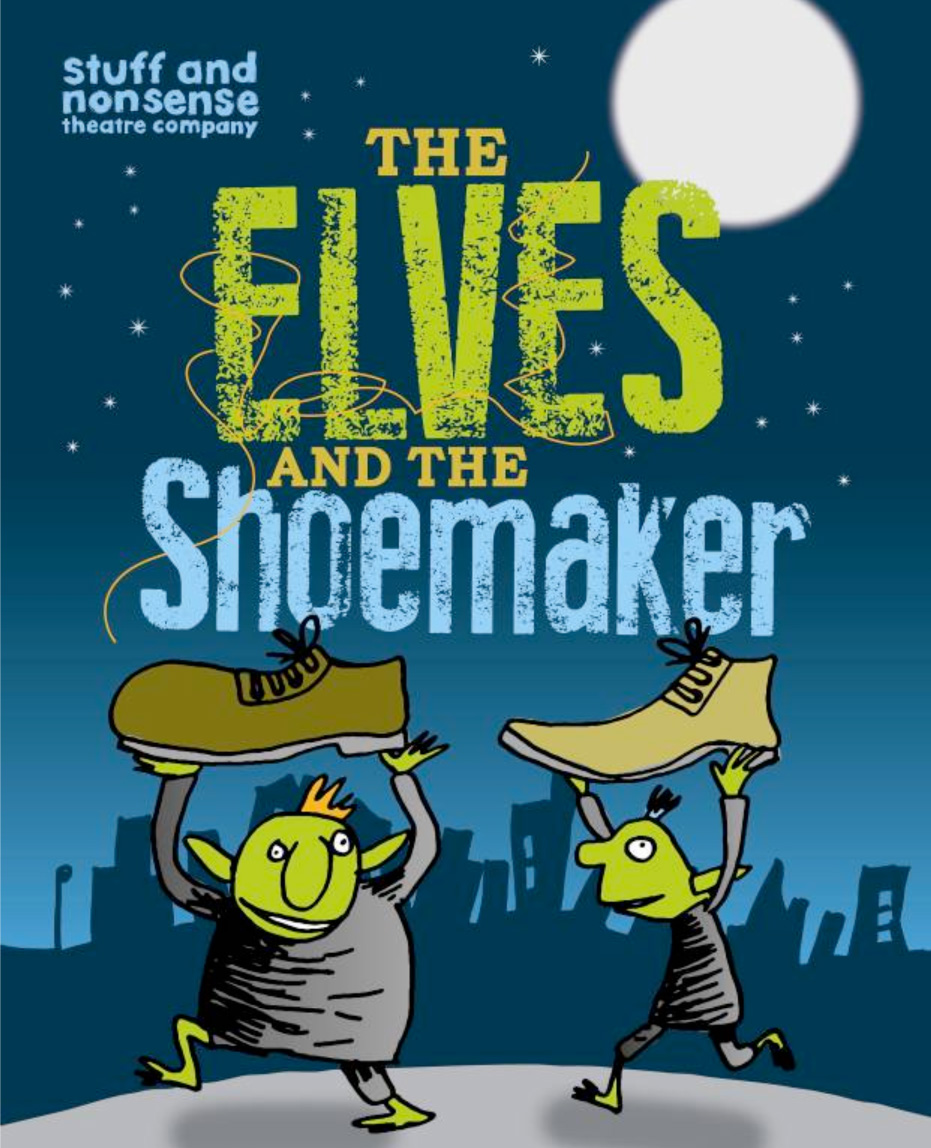
Microsoft Word - Marketing Pack - Elves and the Shoemaker FINAL.The Nuffield – The Elves and The Shoemaker – 9 and 10 April  

Sat in his kitchen workshop, Sam Lacey makes terrible shoes and tries to sell them online. They are so bad that no-one really wants them, not even his neighbour (who thinks he should give up and get a real job!). Then one night, two tiny visitors climb in through the window and start cutting and stitching and gluing… and Sam’s life is never quite the same again!


89U3166-Timothy-Spall-as-JMW-Turner-Turner-paints-in-his-studioThe Phoenix – Mr Turner – 22 April 

The Spring and Summer programme for the Phoenix includes 22 April Mr Turner; 9 April Two Days, One Night; 13 May Like Father, Like Son; 20 May The Great Beauty; 27 May Audience Choice.


hansardJohn Hansard Gallery – Artist Research Conversations – 23 April

Join artist Chantal Powell in a research development discussion exploring concepts which will inform her artistic practice. During this participatory event, coinciding with Uriel Orlow’s Unmade Film, Powell will be exploring how personal myth building takes place, and how we create a final story that can become distorted from the original.


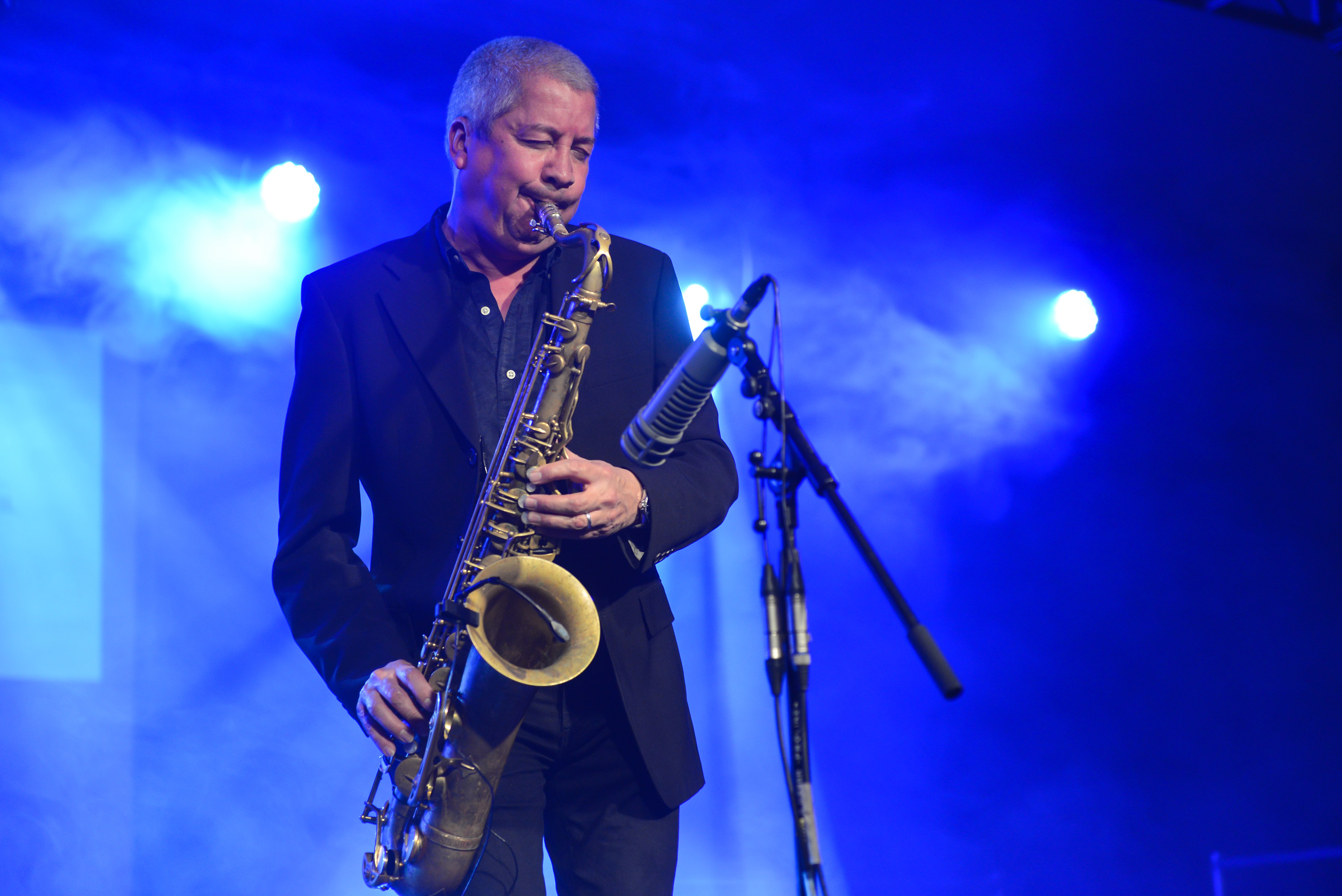
Andy Sheppard performs at South Bank Centre - 24/11/13Turner Sims – Andy Sheppard Quartet – 30 April

Legendary British saxophonist Andy Sheppard brings his new quartet to Turner Sims to showcase music from his latest ECM Records release.  The event will feature Andy Sheppard on saxophones, Eivind Aarset on guitar, Michel Benita on bass and Seb Rochford on drums.


Professors receive prestigious Wolfson Research Merit Awards

Professor Tim Minshull and Professor Hywel Morgan, have been awarded Wolfson Research Merit Awards by the Royal Society, for their outstanding work.

Jointly funded by the Wolfson Foundation and the Department for Business, Innovation and Skills (BIS), the scheme aims to provide universities with additional support to enable them to attract science talent from overseas and retain respected UK scientists of outstanding achievement and potential.

TimMinshull

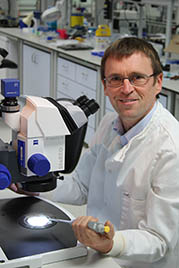
Professor Tim Minshull (pictured left), a marine geophysicist who uses sound waves to study the structure of the Earth’s crust beneath the oceans, was awarded for his research into ‘The ocean-continent transition at magma-poor rifted margins’. His current main research focus is on the processes by which continents break apart.

Working with an international team of collaborators, Professor Minshull is studying these processes using sound waves generated at the ocean surface that travel deep into the earth beneath and then return to sensors placed on the ocean floor.  His current research focuses on areas west of Spain and west of Ireland, where the crust has thinned so much that seawater has penetrated and reacted with the mantle beneath.

Professor Minshull says: “I am delighted to receive this award and very much enjoy the stimulating research environment in Ocean and Earth Science at Southampton that has made it possible.”

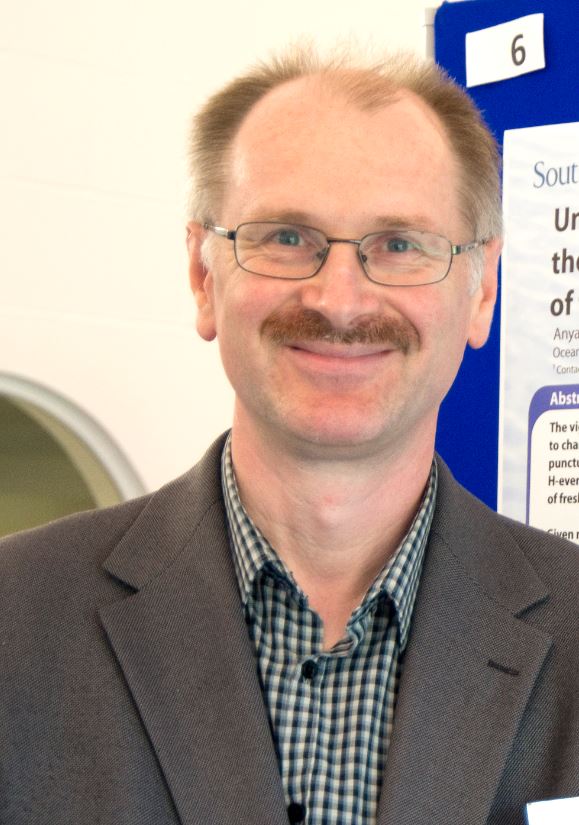
hywel_morganProfessor Hywel Morgan (pictured right), a professor of Bioelectronics and Deputy Director of the University’s Institute for Life Sciences, received his award for his research into ‘Low cost Thin Film Transistor electronic systems for Healthcare and Diagnostics’.

Professor Morgan’s research focuses on the fusion of low cost electronic devices with microfluidic systems for next generation miniature diagnostic systems.  The aim is to develop sophisticated yet inexpensive analytical devices that have a wide range of applications, from allowing doctors to make faster and more accurate diagnosis, to answering fundamental research questions about disease.

Professor Morgan says: “I am thrilled and honoured to have received this award from the Royal Society and Wolfson Foundation.  It will allow me and my group to push forward our research in this very exciting and fast moving interdisciplinary field.”

Behind the scenes of the Science and Engineering Festival

It’s an award winning event which shows how science shapes our world, from the importance of bacteria to discoveries in the solar system. This year’s Science and Engineering Festival has so far attracted more than 3000 people.  The coordinator, Zena Hilton talks to e-Voice about how she got the show on the road and looks ahead to Ocean and Earth Day at the end of April.


Q. Can you give us your personal perspective about being behind the scenes of such a large project?

The Southampton Science and Engineering Festival is focused around two key events: Science and Engineering Day and Ocean and Earth Day. The festival, which is part of British Science Week, includes two free public open days – Science and Engineering Day which took place on Saturday 14 March and Ocean and Earth Day which is on Saturday 25 April.

I coordinated the advertising for the festival as a whole and project managed the Science and Engineering Day itself. On the day, there were more than 80 shows, tours and activities for all ages including wearable technologies; the health of your home; landslides; the secrets of animal bones; virtual musical instruments; stem cells; knee replacements; memory loss; immune cells and much more.

Science and Engineering Day is the largest event I have ever worked on and is not something that you can do by yourself! There are many staff and students that have a great deal of experience working on the day, so building up a relationship with them, especially in the early planning stages was essential.

Q. What was different about the event this year?

A. For the first time, the planning for the festival is being looked at over a three-year period, instead of year-on-year. We refreshed the marketing to better reflect the aim of the festival which is to educate and inspire people. Developing a social media presence has helped to broaden the geographic reach of the event and build it up as a regional science festival.

Q. What was the University keen to promote in particular this year?

A. The main thing was to try to find a balance of new activities and popular activities from previous years, rather than highlighting anything in particular.  Also ensuring that contributions came from a broad range of faculties and academic units was key.

As 2015 is the International Year of Light, there was the chance to explore the fibre-drawing towers and clean rooms, which produce the optical fibres that power the Internet and power global communication networks.

2015 is also the centenary of Einstein’s Theory of General Relativity, so there were mathematics activities related to this, including a lecture on the Science of Stephen Hawking.

Q. What were some of the favourite events this year?

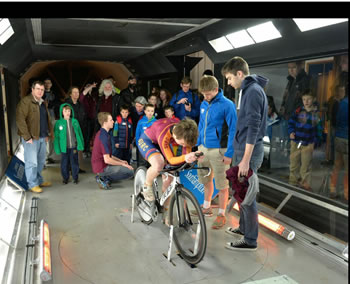
A. Tours of the RJ Mitchell wind tunnel, where Britain’s Olympic athletes conducted testing ahead of their Gold medal success.  Other favourites were the Laser Light Express, Ian B Dunne’s Science Magic show, and a whole range of hands-on activities.
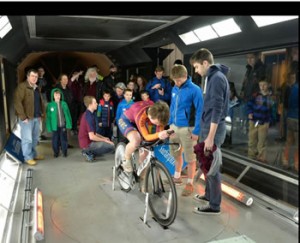
windtunnelQ. Why is this event significant to the University?

A. Science and Engineering Day is a real celebration. Staff and students work together to showcase what we do to educate and inspire the wider public, especially young people.

Q. How does this event link with connectivity?

A. Science and Engineering Day is a “connected” event in various ways. Staff and students work together to make the day possible and those that attended were staff, students, alumni and members of the public. This year, Lloyds Register and Southampton City Council also led activities.

Q. How will you measure the success of the fair?

A. In addition to keeping track of visitor numbers, social media has provided almost instant feedback this year, and it is interesting to hear how much people enjoyed the event, whether for the first time or for the fourth time


Ocean and Earth Day is on the 25 April at the National Oceanography Centre and runs from 10:30 to 16:00. You can find more information here.
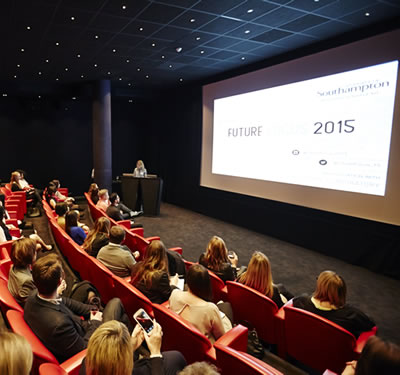
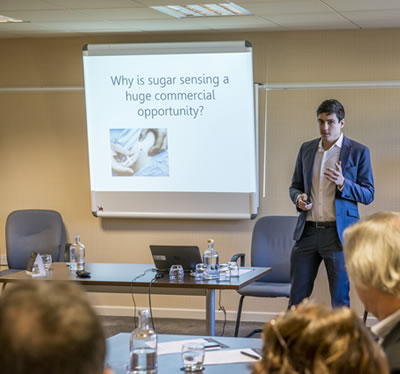
 

Campus connections

websitefinalThe University website is relaunched representing a major milestone in our strategic Web Development Project. Read more here.
How the University is preparing for ambitious growth in the years ahead. Read more here.

Staff are shaping their own future by designing proposals for the next phase of the Reward project. Read more here

Sustainability successes are recognised on Campus. Read more here.


Research

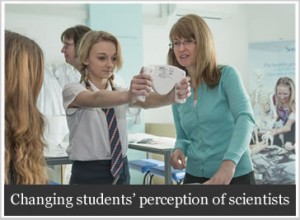
scientists2A new study shows how students drop their stereotypes of science when they ‘Meet the Scientists’. Read more here.

Prestigious Wolfson Research Merit Awards go to two professors for their outstanding work. Read more here.

A new initiative will help move innovations out of universities and into the marketplace. Read more here.

Two professors become Fellows of the Academy of Social Sciences. Read more here.